Complete Guide to Bhai Dooj Puja Home Rituals

Complete Guide to Bhai Dooj Puja Home Rituals
Yamuna invited her brother Yama to her home on the second day of the bright fortnight in Kartika month. These bhai dooj puja home rituals celebrate the unconditional bond between siblings through ancient Vedic traditions. You will learn the exact steps to sanctify your home space, prepare the puja thali, and perform the traditional tika ceremony for your brother's prosperity.
Quick Takeaways
- Perform the tika ceremony during the Shubh Muhurat to ensure the best spiritual results.
- Face your brother towards the North or East direction during the sacred ritual process.
- Prepare a dry coconut or Gola as a symbol of protection for your brother.
- Offer sweets and dakshina to complete the Vedic tradition of sibling honor and respect.
| Event | Date | Tithi | Muhurat | Significance |
|---|---|---|---|---|
| Bhai Dooj 2026 | November 10, 2026 | Kartika Shukla Dwitiya | 1:10 PM - 3:22 PM | Victory of Yama over death and sibling bond |

The Spiritual Significance of Bhai Dooj Puja Home Rituals
The history of this festival traces back to the Satyuga period when Lord Yama visited his sister, the river goddess Yamuna. After years of separation, Yamuna welcomed him with a tilak and a grand feast. This act pleased the God of Death so much that he declared any brother receiving a tilak on this day would never face untimely death. These rituals serve as a protective shield against negative energies and physical ailments. In the Braj region, thousands of devotees gather at Vishram Ghat in Mathura to take a holy dip in the Yamuna river before starting the family ceremonies. This practice cleanses the heart and prepares the mind for selfless prayer. For those celebrating at home, the focus remains on the purity of the ingredients used in the thali. Authentic sandalwood, fresh grass, and unbroken rice grains are essential. Citing the scriptures, Skanda Purana 2.4.18 states that the ritual must be performed with a steady mind to secure the longevity of the male sibling. Understanding the difference between Bhai Dooj and Raksha Bandhan helps in maintaining the specific sanctity of this Kartika festival.
Spiritual Symbolism of Traditional Puja Ingredients
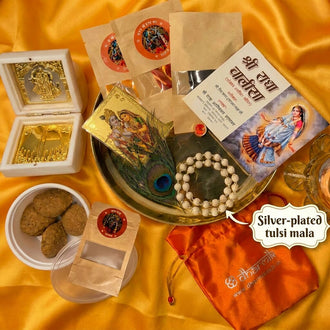
Every item used in the ceremony carries a specific weight of meaning. The rice grains, known as Akshata, signify wholeness and the prayer that a brother's life remains free from fragmentation. Vermilion or Roli represents the energy of Shakti, providing the brother with the strength to overcome worldly obstacles. The dry coconut, often called Gola in North India, is a vital component. It acts as a substitute for the brother's physical presence in prayers and symbolizes his head or ego being offered to the divine for purification. Sisters also use Durva grass, which is known for its ability to stay green even in harsh conditions. This symbolizes the prayer for a long and resilient life. Placing a Lakshmi Ganesha Pure Silver Coin in the thali attracts financial stability and removes hurdles from the family's path. The use of a brass lamp with pure ghee creates a sattvic atmosphere, inviting the deities to witness the promise of protection and care between the sister and brother.
Step-by-Step Ritual Guide for the Ceremony
- Clean the designated puja area and create a small square platform using flour or rice paste.
- Ask your brother to sit on a wooden stool or asana facing the East direction.
- Apply a tilak of Roli and sandalwood paste on his forehead using the ring finger of your right hand.
- Place a few grains of Akshata over the tilak while chanting a prayer for his long life.
- Tie a sacred thread or Kalava on his right wrist to symbolize the bond of protection.
- Perform the Aarti using a ghee lamp, moving the plate in a clockwise direction seven times.
- Offer him a piece of sweet and the dry coconut, which he must keep safely throughout the day.
- The brother then offers gifts or dakshina to the sister as a token of gratitude and love.
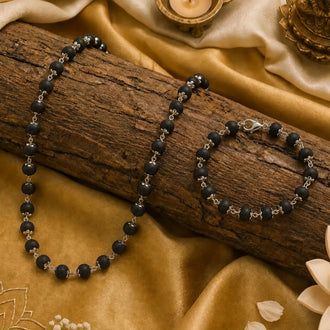
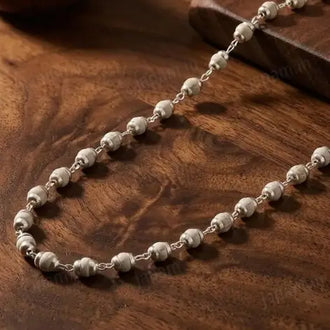
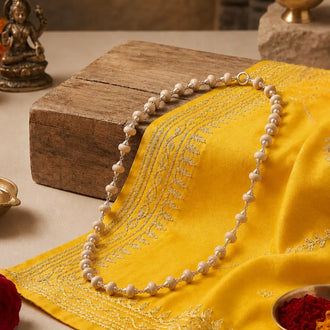
During the ceremony, many families choose to gift spiritual items to maintain a high vibration in the household. A sister might gift an Original Tulsi Kanthi Mala Triple Round to her brother to help him stay connected to his daily prayers and maintain mental peace. This particular mala is sourced from the sacred groves and brings the blessings of the holy land directly into the home celebration.
Benefits and Daan for the Festive Day
- Donating grains to the needy on this day brings the blessings of Goddess Annapurna to the household.
- Feeding a black dog or a cow is considered auspicious as it pleases Lord Yama and his messengers.
- The sister receives the merit of protecting her brother's life through the power of her sincere penance.
- Strengthening family ties through this ritual guide creates a harmonious environment for children to learn values.
- Offering clothes or money to Brahmins helps in neutralizing past karmic debts related to family disputes.
In addition to these acts of charity, wearing protective beads can enhance the spiritual shield. Giving a 5 Mukhi Original Rudraksha Mala as a return gift ensures that the brother remains under the watchful protection of Lord Shiva. These beads are blessed in Kashi and carry the vibrations of the ancient city, making them a perfect spiritual investment for the home celebration.
How should I perform Bhai Dooj puja at home?
Performing the ceremony at home requires a focus on the correct Tithi and the purification of the space. You should start by waking up during the Brahma Muhurat and taking a bath with water mixed with a few drops of Ganga Jal. Clean the North-East corner of your living room and place a photo of Lord Vishnu or Lord Ganesha. The sister should observe a fast until the tilak ceremony is completed. Prepare a thali containing roli, rice, sweets, a lamp, and the dry coconut. When the brother arrives, he should wash his hands and feet before sitting on the asana. The ritual is not just a social meeting but a Vedic process of energy transfer. The sister's prayers act as a kavach or armor for the brother. If the brother is away, the sister can perform the rituals by applying the tilak to a coconut or a picture of her brother. It is always best to consult a local priest for the exact local timing of the Dwitiya Tithi. For more details on the items needed, you can check our step-by-step guide for better preparation.

Common Mistakes to Avoid
- Avoid performing the tilak ceremony during the Rahu Kaal or Bhadra period as these are considered inauspicious.
- Do not make the brother sit facing the South direction, as this direction is associated with the ancestors and not for live rituals.
- Never use broken rice or stale flowers in the puja thali because they represent incomplete energy.
- Avoid consuming non-vegetarian food or onions and garlic on this day to maintain the purity of the vrat.
- Sisters should not take any food or water before the completion of the tika ceremony to keep the sankalpa strong.
Vrindavan Traditions for the Festive Day
In the holy town of Vrindavan, this festival takes on a unique color. Devotees visit the Radha Damodar temple where special prayers are offered for the well-being of the entire community. The local tradition involves sisters offering a mixture of sugar candy and dried ginger to their brothers. This is believed to balance the humors of the body according to Ayurveda. Many families also use the dust from the sacred land, known as Braj Raj, to mark a small spot on the brother's head before the main tilak. This connects the individual to the playful energy of Shri Krishna. The atmosphere in the streets is filled with the scent of incense and the sound of bells from the Banke Bihari temple. Residents often exchange silver coins to mark the occasion. Using a Original 7 Mukhi Rudraksha Certified during the evening prayers can help in attracting the grace of Goddess Lakshmi, which is a common practice among the merchant families of Vrindavan. The day ends with a festive meal that includes traditional dishes like Kachori and Kadhi, shared with all family members to celebrate the sister brother puja.
When is the best time for bhai dooj puja home rituals?
The best time for bhai dooj puja home rituals is during the Shubh Muhurat on the Dwitiya Tithi of the Kartika month. In 2026, this period falls between 1:10 PM and 3:22 PM on November 10. Always check the local panchang for precise timings.
What items are needed for a sister brother puja?
For a sister brother puja, you will need a puja thali, roli, akshata, a ghee lamp, sweets, and a dry coconut. You should also keep a kalava and some fresh flowers ready to honor the deities and your brother during the ceremony.
Can I perform a home celebration if my brother is away?
A home celebration can be performed even if your brother is away by placing a dry coconut or his photograph on the asana. You apply the tilak to the coconut or the image while chanting the protective mantras for his health.
Is a ritual guide necessary for every family?
A ritual guide is necessary to ensure that the Vedic traditions are followed correctly without missing any vital steps. Following the proper vidhi helps in maintaining the spiritual integrity and attracting the desired blessings from Lord Yama and Goddess Yamuna.
How does the tika protect my brother?
The tika protects your brother by acting as a physical mark of your spiritual sankalpa and the blessings of the deities. According to the Puranas, the sister's prayer during the tilak ceremony creates a shield that prevents untimely accidents and promotes longevity.
Conclusion
The tradition of honoring siblings through these ancient steps ensures that family bonds remain strong and protected by divine grace. By following the correct timing and using pure ingredients, you invite the energy of Yama and Yamuna into your living space. Remember to focus on the intent of selfless love while performing these bhai dooj puja home rituals. You can enhance your spiritual environment by placing a Krishna Murti Gold-Plated Lord Krishna Idol in your home temple. For more insights on seasonal festivals, visit our blog on family rituals.
Written By-Rajesh Sharma