Vaishno Devi Temple Prasad Navratri 2026: Sacred Guide

Sacred Traditions of Vaishno Devi Temple Prasad Navratri
Pilgrims travel over 12 kilometers from Katra base camp to reach the holy Bhawan in the Trikuta Mountains. This journey serves as a testament to the unwavering faith of millions of devotees of Maa Durga. Receiving the vaishno devi temple prasad navratri signifies a blessing from the Mother Goddess herself after the arduous climb. You will learn about the specific components of this sacred offering and how to maintain its sanctity at home.
Quick Takeaways
- Sacred offerings include silver coins, walnuts, and puffed rice for spiritual purity.
- The Bhog ceremony occurs twice daily during the auspicious time of Sandhya Aarti.
- Devotees receive distinct items depending on the specific day of the lunar cycle.
- Storing these items in a clean space preserves the energy of the shrine.
| Event | Date | Tithi | Muhurat | Significance |
|---|---|---|---|---|
| Chaitra Navratri Start | April 2, 2026 | Pratipada | 06:12 AM to 08:31 AM | Ghatasthapana and first offering |
| Maha Ashtami | April 9, 2026 | Ashtami | 05:45 AM to 07:15 AM | Main prasad distribution |
| Ram Navami | April 10, 2026 | Navami | 11:05 AM to 01:38 PM | Conclusion of festivities |
| Daily Morning Aarti | Ongoing | Pratah Kaal | 05:00 AM to 07:00 AM | Direct deity offerings |
| Daily Evening Aarti | Ongoing | Sandhya Kaal | 06:30 PM to 08:30 PM | Bhog distribution |
Why This Matters
The act of receiving food from the Mother Goddess represents a transfer of spiritual energy from the deity to the devotee. According to Devi Bhagavatam 3.26.1, the offering of pure vegetarian food to the Goddess removes the obstacles of material life. In the context of the Trikuta hills, the famous prasad holds unique value because it is offered inside the natural rock cave. This cave houses the three Pindis representing Maha Kali, Maha Lakshmi, and Maha Saraswati. Devotees believe that consuming these temple offerings purifies the internal consciousness. The environment of the shrine, located at an altitude of 5,200 feet, adds a layer of natural purity to every grain distributed. Similar traditions are followed in other major shrines, as seen in the Chaitra Navratri 2026 significance guide. By understanding the ritualistic value, a seeker transforms a simple meal into a meditative experience. Every walnut and sugar candy carries the vibration of continuous Vedic chants performed by the priests since ancient times. This connection to the divine mother provides mental peace and emotional stability to the faithful during the nine nights of worship.
The Main Guide to Sacred Offerings

The Composition of the Bhog
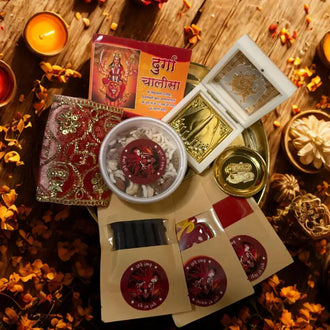
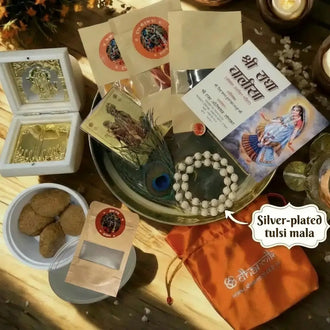
The primary offering distributed to pilgrims consists of several dry items that withstand long travel durations. This mixture typically includes Mishri, which represents the sweetness of devotion, and Makhana, known for its grounding properties. Puffed rice or Murmura is added to symbolize lightness and detachment from worldly burdens. These traditional foods are prepared in the temple kitchen following strict protocols of cleanliness. Priests ensure that only pure cow ghee and high-quality ingredients enter the sanctum sanctorum during the Navratri period. You can find similar purity in the Vaishno Devi Prasad Box which brings these elements to your doorstep.
Rituals of Distribution
During the nine days of the festival, the distribution process becomes highly organized to manage the massive influx of pilgrims. Devotees queue outside the Bhawan after finishing their darshan to receive a small pouch of blessings. Each pouch contains dry fruits like walnuts, which are locally sourced from the Jammu region. These nuts stay fresh for months and are often kept in home temples. The temple board also provides halwa and puri to those attending the community kitchen at the base camp. This practice aligns with the spirit of Seva and sharing, which is detailed in our blog on Navratri community bonding through food.
Storing and Consuming the Prasad
Once you return from the shrine, you must store the items in a brass or copper vessel to maintain their sanctity. It is customary to share the walnuts and sugar drops with family members and neighbors who could not make the journey. Never place these items on the floor or near footwear. Always consume them after a morning bath and before eating any regular meals. For those who want a lasting symbol of their visit, the Durga Mata 10gm Pure Silver Coin serves as a permanent blessing for the locker or puja room.
Special Navratri Offerings
On the eighth and ninth days, the temple priests perform a special Maha Yagya. The residue of this fire sacrifice is often mixed with the regular distribution to enhance its potency. Devotees also receive small pieces of red cloth or Chunri that have touched the Pindis. These cloths are considered protective charms for the household. Keeping a Durga Darbar - Gold Plated idol in your prayer space helps recreate the divine aura of the Vaishno Devi shrine at home.
Benefits of Temple Offerings
- Eating the sacred walnuts improves memory and provides physical energy for the descent.
- The sugar drops help in balancing the Pitta dosha in the body after a long trek.
- Keeping the dry makhana in your home temple attracts positive vibrations and prosperity.
- Sharing the food with the needy during Navratri doubles the spiritual merit of the pilgrimage.
- Small pouches of puffed rice serve as a reminder of the Mother Goddess's protection.
- Receiving the silver coin ensures that the grace of Maha Lakshmi remains in the home.
- Consuming the prasad on an empty stomach enhances spiritual receptivity and focus.
What are the famous Navratri prasad items from Vaishno Devi Temple?

The famous items distributed at the Vaishno Devi shrine include a specific combination of dry fruits and sweets known for their longevity. The most prominent item is the Walnut (Akhrot), which is a local produce of Jammu and Kashmir. These are often accompanied by Mishri (Sugar Candy) and Makhana (Fox Nuts). Another essential part of the offering is the 'Pouch' which contains puffed rice and small sugar drops. During the festival of Navratri, the temple administration also includes a small piece of 'Mata ki Chunri' and sometimes a dry fruit mix consisting of almonds and raisins. In some cases, devotees receive a coin with the image of the three Pindis. These items are chosen specifically because they do not spoil during the long journey back to the devotee's home. It is important to note that the preparation follows traditional Vedic guidelines to ensure the highest level of purity. If you have specific dietary restrictions or health concerns regarding the ingredients, you should consult a doctor before consumption or speak with a temple priest about the preparation methods. For more ideas on how to prepare your own offerings, you can read our Navratri 2025 prasad ideas for each day.
Common Mistakes to Avoid
- Many devotees carry the sacred pouch in their leather bags or wallets, which violates the purity of the offering.
- Some pilgrims consume the items while wearing footwear or without washing their hands after the trek.
- People often leave the prasad in open containers, leading to moisture damage and spoilage.
- Devotees sometimes mix the temple offerings with regular kitchen snacks, diluting the spiritual intent.
- A common error is keeping the red Chunri in a cluttered space instead of a clean puja altar.
What is the best way to carry prasad from Vaishno Devi?
The best way to carry prasad from Vaishno Devi is to use a clean cotton bag or a dedicated metal container. Carrying the famous prasad in a separate bag ensures it does not come into contact with used clothes or shoes during the journey. You should keep the pouch at the top of your luggage to prevent crushing the delicate makhana.
Can I store the walnuts from Vaishno Devi for a year?
Storing the walnuts from Vaishno Devi for up to six months is generally safe if they are kept in an airtight jar. Traditional foods like these are dried properly, but moisture can cause them to turn rancid over time. It is better to consume these temple offerings within a few months to enjoy their freshness and spiritual benefits.
Is it mandatory to share the temple prasad with others?
Sharing the temple prasad with family and friends is a highly recommended practice in Hindu tradition to spread divine blessings. When you share the vaishno devi temple prasad navratri, you perform a form of Daan that brings joy to others. This act of selfless sharing is considered as auspicious as the pilgrimage itself.
Are there any specific days for special prasad distribution?
Specific days like Ashtami and Navami are when the temple authorities distribute special prasad to the devotees. These temple offerings often include additional items that have been part of the Maha Aarti and Yagya. Visiting during these peak days allows you to receive these unique blessings from the Mother Goddess.
What should I do if the prasad becomes spoiled?
If the prasad becomes spoiled due to moisture or insects, you should dispose of it in a flowing water body or bury it in clean soil. Never throw the vaishno devi temple prasad navratri into a trash bin as it is considered disrespectful to the deity. Respectfully returning the elements to nature maintains the sanctity of the ritual.
Conclusion
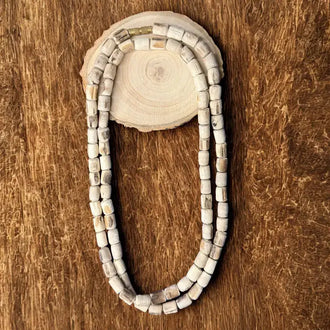
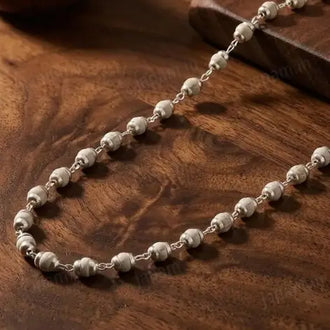
The journey to the Trikuta hills concludes with the reception of sacred items that carry the essence of Maa Durga. By following the correct storage and consumption methods, you can retain the spiritual energy of the shrine in your household. Remember to share these blessings with your loved ones to multiply the merits of your trek. You can enhance your daily worship by using a Tulsi Japa Mala with 108 Original Big Beads for your prayers. Every aspect of the vaishno devi temple prasad navratri connects the devotee to the divine source. For more information on spiritual practices, visit our Navratri 2026 spiritual guide today.
By Aditi Sharma