Old Rakhi Disposal: 5 Respectful Rules for Broken Rakhis

What to Do With Old or Broken Rakhi: Correct Visarjan Rules
Many sisters in Vrindavan worry about the spiritual impact of removing a sacred thread once the festival passes. Proper disposal of old rakhi is a necessary act of closure that honours the prayers whispered during the Shravana Purnima puja. When a thread frays or breaks, it has often absorbed the negative energies intended for the wearer and one should properly dispose it. This guide explains how to perform a dignified visarjan (immersion) for your rakhis and ritual objects. You will learn how to handle these items without accumulating dosha (spiritual fault) or disrespecting the bond they represent.
Quick Takeaways
- Perform visarjan only after the Sutak period or once the thread is physically damaged.
- Flowing water or burial near a Tulsi plant are the most respectful methods.
- Avoid throwing sacred threads in common dustbins to prevent ashuddhi (impurity).
- Wrap broken threads in a clean red or yellow cloth before the final ritual.
| Step Number | Action Required |
|---|---|
| 1 | Remove the rakhi gently without using sharp metal scissors if possible. |
| 2 | Place the thread in a clean copper bowl or on a fresh leaf. |
| 3 | Offer a final prayer of gratitude to the deity who protected the brother. |
| 4 | Bundle the old threads together in a piece of natural cotton fabric. |
| 5 | Immerse the bundle in a river or bury it in a clean garden spot. |
| 6 | Wash your hands and feet immediately after completing the disposal process. |
Why This Matters
The Skanda Purana (visarjan and sacred item disposal) provides the primary foundation for how we treat objects that have carried spiritual vibrations. A rakhi is more than a silk thread: it is a vessel for the Shravana Purnima sankalpa (intention) made by a sister for her brother. Once the thread is broken or soiled, its physical form should return to the panch bhoota (five elements) through a conscious process. In Vraj, devotees often bring their old sacred items to the banks of the Yamuna on a Friday to ensure the energy is released. You can find more details on when to remove rakhi to ensure you do not act prematurely. This ritual prevents the accumulation of stagnant energy in the home. It also acknowledges that the bond of protection is eternal, even when the material thread is gone. By following these traditional rules, you maintain the sanctity of your prayer room. It ensures that no sacred thread is stepped on by accident. This mindfulness is a mark of a devotee who values the subtle energy of rituals over mere outward show.

Authentic Methods for Old Rakhi Disposal
Jal Visarjan in Flowing Water
The most preferred method involves releasing the thread into a natural water body like a river or the sea. Flowing water symbolises the constant movement of time and the return of the individual soul to the universal source. Before releasing the thread, hold it in your right hand and chant a simple protection mantra. Ensure the rakhi is free from plastic beads or non-biodegradable glitter before immersion. If you are using a rudraksha rakhi bracelet, you may choose to keep the beads and only dispose of the thread. This method ensures that the remains do not rot in a stagnant place. Devotees in North India often travel to the Ganges or Yamuna for this purpose during the Pitru Paksha period.
Bhumi Visarjan at a Sacred Tree
If you do not live near a river, burying the rakhi is the next best option. Choose a clean spot at the base of a Peepal tree, a Banyan tree, or near a Tulsi plant in your own garden. Dig a small hole about six inches deep and place the rakhi inside. This method allows the natural cotton or silk to decompose and merge with the earth. It is a quiet, meditative way to retire a raksha sutra (protection thread). Many families prefer this as it keeps the energy of the ritual within their own living space. Avoid spots where people frequently walk or where animals might disturb the soil. This earth burial is particularly effective for eco-friendly rakhis made of seeds or sandalwood.
The Fire Ritual for Damaged Items
When a rakhi is severely damaged or has been exposed to extreme impurity, some traditions suggest Agni Visarjan. You may place the thread into a small, controlled fire while reciting the name of your Ishta Devata (chosen deity). Fire is a purifier that instantly transforms the physical matter into ash and smoke. This ash can then be used as a tilak or sprinkled in a garden. This method is often used for threads that have been worn during a period of mourning or after a hospital visit. It ensures that any lingering negative energy is completely neutralised by the heat of the flame.

Benefits of Following Visarjan Rules
- Spiritual Peace: Eliminates the guilt associated with mishandling a blessed household items from the 28 August 2026 celebrations.
- Energy Clearing: Remove old, frayed threads and reduce waste that can act as clutter in your sacred space or cupboard.
- Environmental Care: Encourages the use of biodegradable materials that do not harm the local ecosystem during immersion.
- Karmic Cleanliness: Prevents the disrespect of sacred symbols which can lead to minor doshas in the household.
- Tradition Preservation: Teaches the younger generation the value of every ritual object, regardless of its monetary cost.
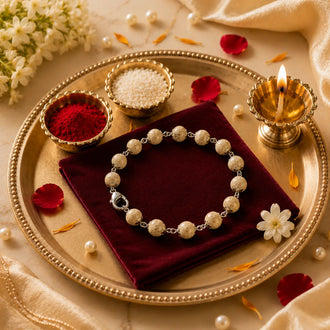
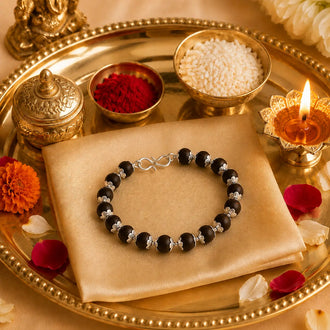
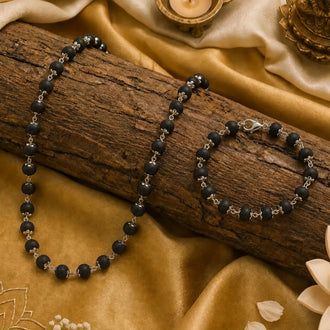
Choosing a rudraksha rakhi can often simplify this process as the beads can be reused for japa (chanting) after the thread is retired.
Is it a sin to throw away a rakhi in the dustbin?
It is not a sin that requires severe penance, but throwing a rakhi in the dustbin or landfill is considered an act of great disrespect. In the Vedic tradition, any object used in a puja becomes "Nirmalya" (sacred remains). Placing Nirmalya in a bin with food waste and dirt creates a spiritual imbalance. It shows a lack of gratitude for the protection the rakhi provided throughout the year. If you have accidentally thrown one away, do not panic. Simply offer a mental apology to the deity and resolve to follow the correct visarjan rules in the future. The intention behind your actions matters more than the physical error. However, habitual neglect of these rules can lead to a sense of heaviness in the home. Always remember that the rakhi was tied with a prayer for longevity and safety. Treating it like common rubbish contradicts that prayer. If you are unsure of what to do, consult a local priest or elder who can guide you on regional customs.
Common Mistakes
- Using Metal Scissors: Cutting the rakhi with iron scissors is often avoided: try to untie it or break the thread by hand if possible.
- Mixing with Waste: Putting old rakhis in the same bag as kitchen scraps or household trash is a major ritual error.
- Leaving on the Floor: Allowing a fallen rakhi to stay on the ground where it can be stepped on brings bad luck to the wearer.
- Wrong Timing: Performing visarjan during the Bhadra period or Rahu Kaal can interfere with the peaceful release of the thread.
- Plastic Immersion: Dropping plastic-heavy rakhis into rivers causes pollution: always remove non-natural parts before water immersion.
FAQ
broken rakhi kya kare?
Broken rakhi kya kare is a common worry: you should treat a broken rakhi as a sign that its protective cycle is complete. Wrap the broken pieces in a yellow cloth and perform bhumi visarjan (earth burial) near a Tulsi plant. This ensures the sacred thread returns to nature respectfully.
purani rakhi ka kya kare?
Purani rakhi ka kya kare depends on your location: the most traditional choice is jal visarjan in a flowing river like the Yamuna. If a river is not accessible, you can bury the old thread in a clean, undisturbed corner of your garden or a public park.
What are the rakhi visarjan rules?
The rakhi visarjan rules state that the thread must be handled with clean hands and offered a final prayer before disposal. You must choose one of the five elements: water, earth, or fire, to return the thread to its source without causing environmental harm.
how to dispose rakhi properly?
How to dispose rakhi involves removing any non-biodegradable beads first and then immersing the silk or cotton thread in water. If the rakhi contains seeds, planting it in a pot is the most meritorious way to allow the protection to grow into a new life.
Can I keep an old rakhi in a box?
Can I keep an old rakhi in a box is a personal choice: many sisters keep them as memories in a clean, separate container. Ensure the box is kept in a high place like a shelf or the puja room, and never near shoes or floor-level storage.
Conclusion
Performing a proper old rakhi disposal ensures that the sanctity of the festival remains intact long after the sweets are gone. Whether you choose water immersion or earth burial, the key is the respect you show to the raksha sutra. These steps prevent the accumulation of spiritual clutter and honor the sibling bond. If you prefer a more permanent solution, consider a tulsi rakhi bracelet that can be worn daily without needing frequent disposal. For more on ritual timings, check our raksha bandhan puja vidhi. Following correct old rakhi disposal keeps your home vibrationally clean and your heart at peace.