Raksha Bandhan for Sisters 2026: Fasting Rules and Rituals

Complete Guide to the Raksha Bandhan Vrat for Sisters
Devotees in Braj begin their preparations for Shravan Purnima as soon as the morning bells ring at the Banke Bihari temple. Observing a raksha bandhan vrat is a common practice for sisters who seek the long life and safety of their brothers. This guide explains the traditional rules for fasting and the specific timings for the 2026 celebration so you can perform the rituals with clarity.
Quick Takeaways
- Sisters usually fast from sunrise until the rakhi is tied on brothers' wrists during the shubh muhurat, celebrating the bond between siblings.
- The fast typically ends after the brother consumes prasad, and the sister shares the meal with love and appreciation.
- Traditional foods include phalahar items like fruit, makhana, or sabudana for a partial fast during Raksha Bandhan.
- Avoid grains and non-sattvik ingredients like onion or garlic to preserve love and protection throughout the festival.
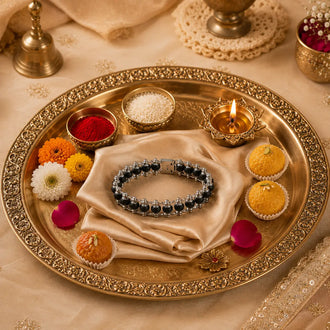
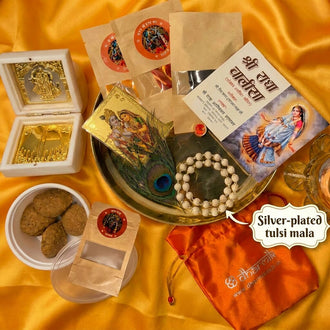
| Item | Purpose during the Vrat |
|---|---|
| Ganga Jal | For purifying the puja area and the rakhi thread before use. |
| Raw Rice (Akshat) | Applied as a tilak on the brother's forehead to symbolise prosperity. |
| Sattvik Sweets | Offered as prasad to the deity and then to the brother. |
| Coconut | Given to the brother as a mark of respect and auspiciousness. |
| Dharamsala Chandan | Used for the cooling tilak applied during the aarti ceremony. |
| Dry Fruits | Consumed as phalahar if the sister is keeping a long fast. |
Why This Matters
The practice of fasting on this day is not a modern invention but a method of purification that prepares the mind for the ritual. By keeping a fast, a sister demonstrates her dedication and tapas (austerity) for the well-being of her sibling. This internal discipline is believed to strengthen the prayers offered during the thread-tying ceremony. In the Bhavishya Purana, Uttara Parva, the significance of the protective thread is described as a shield against negative influences for the coming year. This scripture explains how Sachi tied a thread on the wrist of Indra to ensure his victory over demons. In Vrindavan, we see this spirit of protection every day at the shrines of Radha-Krishna. The day also coincides with Shravan Purnima, which is when many Brahmins change their sacred threads. Following the raksha bandhan puja vidhi home steps ensures that the spiritual energy of the day is fully realised in your household. Whether your family follows a strict waterless fast or a simpler fruit-based diet, the intention remains the focus of the ritual.

Traditional Rules for your Raksha Bandhan Vrat
Preparing for the Fast at Sunrise
The requirement to fast on this day is largely governed by regional tradition and family lineage rather than a universal Vedic mandate. While scriptures like the Puranas highlight the importance of the sacred thread, they remind us that Raksha Bandhan is about the bond between siblings and love and protection, not a compulsory nirjala fast. In many parts of Uttar Pradesh and Rajasthan, it is a deeply held family custom that brothers and sisters celebrate by symbolising their love, whether for a younger sister, elder sister, or sister-in-law. However, in other regions, a simple sattvik diet is followed without a total fast. If you have diabetes or are pregnant, consult a doctor before attempting a strict fast. You can still participate through puja, Raksha Bandhan wishes, Rakhi wishes, or thoughtful Rakhi gifts for sister that express love and appreciation. The goal is to strengthen the sibling bond, create lasting memories, and celebrate the bond of love. Always prioritize your health while following these Raksha Bandhan fasting rules.
Observing the Fasting Period
For those asking rakhi par vrat rakhte hai kya, the answer depends on your specific family lineage. In many North Indian households, sisters do not even drink water until the rakhi is tied. This is known as a nirjala fast. If you find a full fast difficult due to health reasons, you may opt for a phalahar diet. This allows for the consumption of water, milk, and fruits. During the fasting hours, avoid negative speech or anger. Focus your mind on the deity you worship, such as Shri Krishna or Lord Shiva, as this day marks the end of the holy Shravan month. You can prepare your rakhi thali items list during this time to stay occupied with devotional tasks.
Breaking the Fast Properly
The fast is traditionally broken after the brother has been fed the first piece of sweet or prasad from the thali. Once the rakhi is tied between 05:57 AM and 09:48 AM on 28 August 2026, the sister can take a small amount of water. In Braj, we often use prasad from Vrindavan to break the fast as it carries the blessings of the Dham. After the ceremony, a full sattvik meal can be consumed. This meal should exclude grains if you are observing the full shravan purnima vrat, or it can be a standard vegetarian feast depending on your local custom. Ensure the food is prepared without any tamasic ingredients to maintain the purity of the day.
 rakhi gifts to needy people" width="1376" height="768">
Checklist of Daan and Benefits
- Anna Daan: Donating grains to the needy on Shravan Purnima helps in balancing planetary doshas.
- Vastra Daan: Giving new clothes to a priest or a younger girl child is considered highly auspicious.
- Spiritual Protection: The primary benefit is the invocation of divine protection for the brother through the sister's penance.
- Family Harmony: The shared meal after the fast fosters a sense of unity and gratitude among siblings.
- Ancestral Blessings: Offering water (Tarpan) on this Purnima morning brings peace to the spirits of departed ancestors.
- Cooling the Mind: Using chandan for tilak during the ceremony helps in calming the brother's nervous system.
Is fasting on Raksha Bandhan required, or is it a family custom?
The requirement to fast on this day is largely governed by regional tradition and family lineage rather than a universal Vedic mandate. While scriptures like the Puranas highlight the importance of the sacred thread, they remind us that Raksha Bandhan is about the bond between siblings and love and protection, not a compulsory nirjala fast. In many parts of Uttar Pradesh and Rajasthan, it is a deeply held family custom that brothers and sisters celebrate by symbolising their love, whether for a younger sister, elder sister, or sister-in-law. However, in other regions, a simple sattvik diet is followed without a total fast. If you have diabetes or are pregnant, consult a doctor before attempting a strict fast. You can still participate through puja, Raksha Bandhan wishes, Rakhi wishes, or thoughtful Rakhi gifts for sister that express love and appreciation. The goal is to strengthen the sibling bond, create lasting memories, and celebrate the bond of love. Always prioritize your health while following these Raksha Bandhan fasting rules.
Common Mistakes
- Timing the Rakhi during Bhadra: Tying the thread during the Bhadra Kaal is considered inauspicious and should be avoided at all costs.
- Eating Grains Early: Consuming wheat or rice before the ceremony often breaks the traditional vrat rules followed in most households.
- Wrong Direction: The brother should ideally face East or North during the ceremony, never South.
- Using Broken Rice: Ensure the akshat used for tilak is whole and not fragmented, as broken rice represents incompleteness in the ritual.
- Impure Thali Samagri: Using stale flowers or synthetic scents can disturb the sattvik nature of the puja.
FAQ
Q1.Rakhi ke din kya khaye for those fasting?
Rakhi ke din kya khaye depends on whether you are doing a full or partial fast. For a partial fast, you can eat boiled potatoes, makhana roasted in ghee, and fresh fruits like bananas or apples. Avoid sea salt and use rock salt (sendha namak) for seasoning your phalahar meals.
Q2.When does the 2026 raksha bandhan vrat end?
When does the 2026 raksha bandhan vrat end is determined by the completion of the rakhi ceremony. On 28 August 2026, once you have tied the thread during the morning muhurat before 09:48 AM, you can conclude the fast by taking prasad. Some families wait until the sun sets, but most finish after the puja.
Q3.Are there any specific raksha bandhan fasting rules for brothers?
Are there any specific raksha bandhan fasting rules for brothers in the scriptures? Generally, brothers are not required to fast on this day, though many choose to avoid heavy or non-vegetarian food until the ceremony is over. The brother's role is to provide the protection that the sister's fast invokes.
Q4.Can a sister drink tea or coffee during the fast?
Can a sister drink tea or coffee during the fast if she is not doing a nirjala vrat? Most traditional families allow tea or milk-based drinks during a partial fast. However, it is better to stick to water or fresh fruit juices to maintain the sattvik nature of the body during the holy hours.
Q5.What is the importance of shravan purnima vrat for the family?
What is the importance of shravan purnima vrat for the family beyond the rakhi ceremony? This tithi is dedicated to Lord Vishnu and Lord Shiva, and keeping a fast on this day is believed to wash away the sins of the past month. It brings general prosperity and spiritual growth to the entire household.
Conclusion
Observing a raksha bandhan vrat is a beautiful way to express your devotion to your brother's safety and the traditions of your ancestors. Whether you choose a strict waterless fast or a simpler fruit-based diet, ensure you follow the 2026 timings to avoid the Bhadra period. Remember that the heart behind the ritual is what truly matters to the Divine. You may use braj raj to sanctify your puja space before starting. Following the correct raksha bandhan puja vidhi home steps will make your celebration more meaningful this year.