Japa Meditation Tulsi 2026: Authentic Chanting Guide

Mastering Japa Meditation Tulsi Rituals for Modern Devotees
Devotees in Vrindavan begin their spiritual practice at 4:30 AM during the Brahma Muhurta. Performing japa meditation tulsi allows a practitioner to connect with Lord Krishna through disciplined mantra chanting. This guide explains the exact method to use sacred beads for mental clarity and devotional growth. You will learn about the physical posture, the specific finger movements, and the internal mindset required for successful chanting. Understanding these details transforms a simple routine into a powerful spiritual tool for your daily life.
Quick Takeaways
- Use the middle finger and thumb to move beads during your chanting sessions.
- Chant exactly 108 times to complete one full round on a standard sacred mala.
- Avoid using the index finger because it represents the ego in Vedic traditions.
- Keep your beads in a clean cotton bag to maintain their spiritual purity.
| Step | Action | Spiritual Benefit |
|---|---|---|
| Asana | Sit on a kusha mat or cloth facing East or North. | Stability and focus |
| Holding | Place the mala on the middle finger of the right hand. | Energy grounding |
| Chanting | Recite the Mahamantra clearly while touching one bead. | Mantra absorption |
| Moving | Pull the bead toward you using only the thumb. | Karmic progression |
| Guru Bead | Do not cross the head bead; turn the mala around. | Respect for teachers |
Why Japa Meditation Tulsi Practices Matter
The practice of chanting on Tulsi wood is a cornerstone of Bhakti Yoga. Tulsi Devi is a pure devotee of the Lord in the form of a plant. Her wood contains natural oils and a scent that calms the nervous system during repetitive tasks. In the Vedic system, sound vibration is the most effective way to clear the mind of clutter. By using a physical tool like beads, the mind has a tactile anchor to prevent wandering. This creates a rhythmic pattern that synchronizes the breath with the sacred sound. Devotees in Kashi and Vrindavan have followed this path for centuries to achieve higher states of consciousness. The physical contact with the wood transfers the energy of the mantra into the body. Bhagavad Gita 10.25 states that among sacrifices, the Lord is the sacrifice of silent prayer. This confirmation from scripture highlights why chanting is the highest form of worship in the current age. When you use beads sourced from holy lands, you carry the vibration of those pilgrimage sites into your home. This link helps maintain a steady devotional mood even in busy urban environments. Linking your practice to a sacred tool for devotion ensures that every bead moved is a step toward peace.
Selecting the Correct Beads for Practice
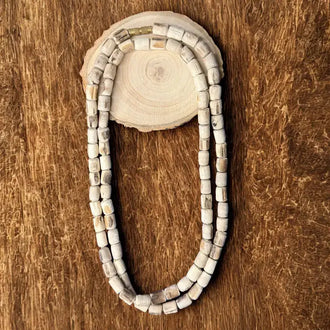
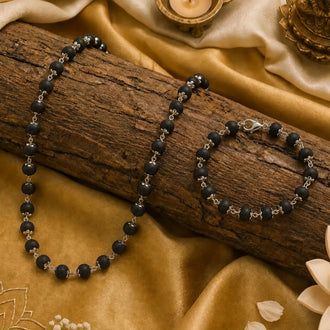
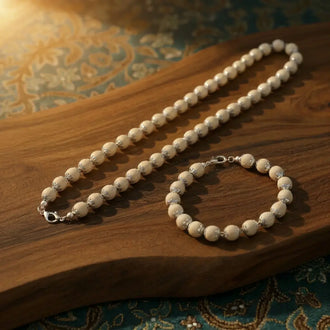
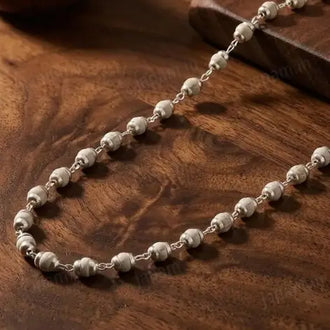
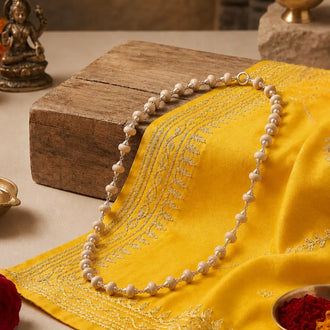
Authentic beads must be carved from the wood of a Tulsi plant that has naturally completed its life cycle. In Vrindavan, craftsmen select wood based on density and grain to ensure the beads do not crack during mantra repetition. A standard mala consists of 108 beads plus one larger bead called the Bindu or Guru bead. The size of the beads affects your grip. Beginners often prefer 8 mm or 10 mm beads to help with counting mantras accurately. Smaller 4 mm beads are better for those who chant many rounds quickly. Using a Tulsi Japa Mala with 108 Original Big Beads for Meditation. provides a solid weight that aids in keeping the rhythm steady.
The Science of 108 Beads
The number 108 holds significant meaning in Vedic astronomy and geometry. The distance between the Sun and Earth is roughly 108 times the Sun's diameter. In the human body, there are 108 pressure points or marma points. When you complete one round of meditation with beads, you are symbolicly aligning your personal energy with the cosmos. This specific count ensures that the practitioner remains engaged for a sufficient duration to reach a meditative state. You can read more about the sacred science behind the beads to understand this mathematical connection. Each bead represents a step in a spiritual journey, ensuring the mind does not skip the necessary effort required for transformation.

The Main Guide to Japa Technique
1. Prepare your space by cleaning a small area in your home. Use a dedicated seat or asana that you only use for spiritual work. Face the North or East to align with the natural magnetic fields of the Earth. Ensure your back is straight to allow the breath to flow without restriction.
2. Hold the mala in your right hand. Drape it over the middle finger. The index finger must point away from the beads and should never touch them. The index finger represents the individual ego, which we aim to keep separate from the divine vibration. Use your thumb to move each bead.
3. Start at the bead next to the large Guru bead. Recite your chosen mantra once in full. For many, this is the Hare Krishna Mahamantra. Ensure your lips move and the sound is audible to your own ears. This is known as Vachika Japa. As you progress, you may move to Upanshu Japa, where only you can hear the whisper.
4. After finishing the mantra, use your thumb to pull the bead toward your palm. This movement signifies bringing the divine energy closer to your heart. Move to the next bead and repeat the process. Focus your eyes on a picture of the Lord or keep them gently closed.
5. Continue this process for all 108 beads. When you reach the Guru bead again, do not cross over it. Crossing the Guru bead is considered disrespectful to the spiritual teacher. Instead, flip the mala in your hand so that the last bead becomes the first bead of the next round. This keeps the energy contained within the circle of your practice.
6. Aim for at least one round daily. Consistency is more important than quantity when you first start. Morning hours between 4:00 AM and 6:00 AM are best because the environment is naturally quiet. Using an Original Tulsi Japa Mala 108+1 Beads, 10 mm, Deep Meditation helps maintain focus due to its high quality wood and smooth finish.
Benefits of Regular Chanting
- Reduces cortisol levels by inducing a state of physiological relaxation during mantra repetition.
- Improves concentration by training the mind to return to a single sound vibration.
- Creates a protective spiritual aura around the practitioner according to the Padma Purana.
- Balances the heart chakra through the rhythmic movement of the fingers and breath.
- Purifies the environment of the home through the constant presence of sacred sound.
- Builds a direct personal connection with Tulsi Devi and Lord Krishna.
- Helps in tracking spiritual progress by using the 108 beads as a daily metric.
- Encourages discipline and a regulated lifestyle through a fixed morning routine.
Practitioners who use a Original Tulsi Kanthi Mala Triple Round, 6 mm, Daily Bhakti, Prayer often report a sense of constant protection and calm throughout the day.
What is the correct step-by-step technique for Japa meditation with Tulsi Mala?
The correct technique involves a combination of physical posture, specific hand gestures, and vocal clarity. First, sit in a stable position like Sukhasana or Padmasana. Hold the beads on your right hand's middle finger, ensuring the index finger remains extended and away from the wood. Your thumb is the only moving part, pulling each bead toward you after every completed mantra. Start at the first bead after the tassel and proceed through all 108 beads. When you reach the end, rotate the mala 180 degrees without crossing the large central bead. This reversal allows you to start a new round while honoring the spiritual lineage. Maintain a steady pace, neither too fast nor too slow. It is helpful to synchronize your breathing with the syllables of the mantra. For specific medical conditions like arthritis that might affect your grip, consult a priest or a teacher for alternative holding methods. The goal is to involve the sense of touch, hearing, and sight in a single focused activity. This multi sensory engagement is what makes the technique so effective for modern seekers who struggle with mental distractions.

Common Mistakes to Avoid
- Touching the beads with the index finger, which is the finger of judgment and ego.
- Letting the beads touch the floor or your feet, which reduces their spiritual purity.
- Crossing the Guru bead instead of turning the mala around for the next round.
- Chanting while being distracted by a phone, television, or conversations with others.
- Using a mala made of plastic or glass instead of authentic Tulsi wood.
How do I start chanting with Tulsi?
To start chanting with Tulsi, you should first find a quiet space and sit comfortably with your spine straight. Hold the beads in your right hand and use your thumb to move them while reciting your chosen mantra once per bead.
Can I use the index finger?
You cannot use the index finger while chanting because it is traditionally associated with the ego in Vedic culture. Practitioners always keep the index finger extended away from the beads, using only the middle finger and thumb for movement.
What happens if the mala breaks?
If the mala breaks, it is often seen as a sign that the beads have absorbed a significant amount of negative energy. You should collect the beads, offer them to a holy river, and then replace them with a new set.
Should I chant out loud?
You should chant out loud if you are a beginner because the physical sound helps the mind stay focused on the vibration. As you gain more experience, you can transition to whispering or chanting silently within your mind for deeper focus.
How do I clean my beads?
You can clean your beads by gently wiping them with a soft cotton cloth dipped in a small amount of sandalwood oil. Avoid using harsh chemicals or excessive water, as moisture can cause the natural Tulsi wood to crack or rot.
Conclusion
Practicing japa meditation tulsi daily brings peace, discipline, and spiritual connection into a devotee's life. By following the correct finger placements and respecting the 108 beads, you align yourself with ancient traditions from Vrindavan. Start with one round every morning to experience the calming effects of mantra repetition on your mental health. Consistency will eventually lead to a natural state of meditation that lasts throughout the day. Investing in a high quality Original Tulsi Japa Mala 108+1 Beads, 10 mm, Deep Meditation ensures your practice remains steady and focused. You may also explore the sacred tool for devotion to enhance your spiritual journey.
By Rahul Dev