Radha Naam Tulsi Mala: Significance for Krishna Bhakti and Japa

The Radha Naam Tulsi Mala: A Sacred Aid for Krishna Bhakti and Japa
In the quiet lanes of Vrindavan, devotees often feel a distinct pull towards the divine names of Radha and Krishna. For many, a Radha Naam Tulsi Mala serves as a cherished companion in this spiritual journey. This revered string of beads helps sincere seekers connect deeply with the divine couple through chanting and constant remembrance. By understanding its vital role, devotees can enhance their daily japa practice and cultivate a more intimate bond with Sri Radha-Krishna. This guide explores the spiritual journey offered by this sacred mala.
Quick Takeaways
- Tulsi beads offer purity, focus, and spiritual protection.
- Chanting Radha's name enhances devotion to the Radha-Krishna yugal.
- The mala serves as a constant reminder of Vrindavan's divine atmosphere.
- Proper care ensures the mala's sacred energy remains active for sadhana.
| Aspect | Detail |
|---|---|
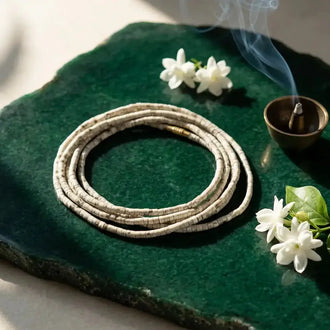
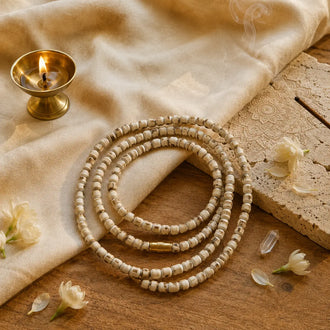
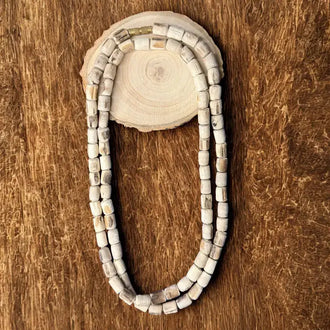
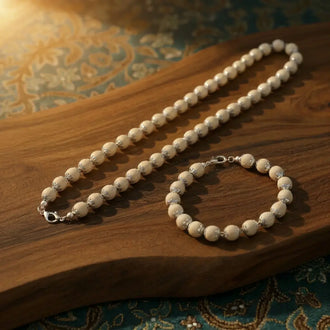
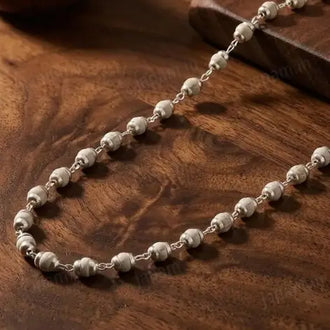
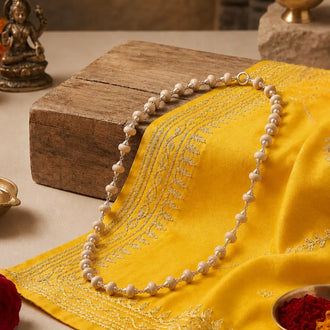
| What it is | A string of 108+1 Tulsi wood beads, often inscribed with "Radha." |
| Primary Use | Chanting of Hare Krishna Mahamantra and other sacred names (Naam-japa). |
| Significance | Connects devotee directly to Radha Rani and Sri Krishna, purifies mind and senses. |
| Who wears it | Primarily Krishna-Radha devotees and Vaishnava sadhaks. |
| Wearing Rule 1 | Keep clean; avoid contact with impure places or activities. |
| Wearing Rule 2 | Wear with reverence, ideally on the neck or wrist as Kanthi mala. |
The significance of Tulsi, or Holy Basil, is deeply rooted in Vaishnava traditions, particularly in Vrindavan. Known as the beloved of Lord Krishna, Tulsi Devi is revered as Vrinda Devi, a prominent assistant in Radha and Krishna’s Nitya-lila. Wearing her beads, especially a Radha Naam Tulsi Mala, is considered highly auspicious. It signifies a devotee's commitment to the path of bhakti and an eagerness to serve the divine couple, drawing them closer to the spiritual essence of Braj.
Scriptural injunctions highlight Tulsi's power and sanctity. The Padma Purana, Patala Khanda 40.21 states, "Wherever Tulsi is present, Lord Vishnu resides there." This verse underscores the sacred presence Tulsi brings. For Radha-Krishna devotees, adorning a mala made of Tulsi wood is akin to carrying a piece of Vrindavan's spiritual energy with them. It acts as a powerful reminder of Braj-raj, the dust of Vrindavan, which is non-different from Krishna Himself and a source of constant inspiration for devotees.
This mala also serves as a focal point for Naam-japa, the chanting of holy names. Chanting Hare Krishna on these beads helps to concentrate the mind and purify the heart, drawing the chanter closer to the spiritual abode. Each bead becomes a tangible connection to the divine. For those on the Vaishnava sampradaya path, the Radha Naam inscription on the mala further emphasizes the prime position of Radha Rani in Krishna’s devotional life, making it a powerful tool for developing deeper devotion to the Radha-Krishna yugal and aspiring for service at Their lotus feet. To learn more about selecting the right mala for your practice, consider reading our Kanthi and Japa Mala guide.
Using a Radha Naam Tulsi Mala effectively involves understanding its role in both japa (chanting) and as a Kanthi mala (worn around the neck). Each practice carries its own spiritual weight and guidelines, designed to deepen one's connection to Sri Radha-Krishna.
1. Japa Practice with Radha Naam Tulsi Mala
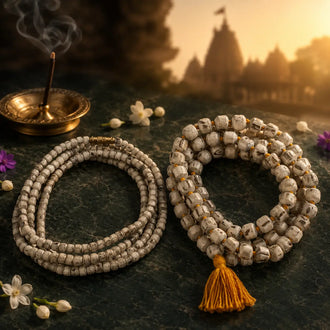
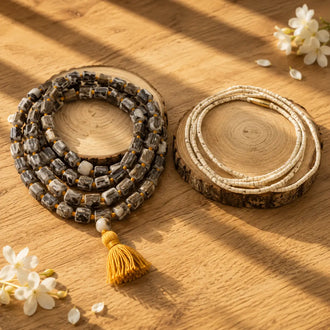
For chanting, hold the mala in your right hand, with your thumb and middle finger. The index finger should never touch the beads, as it represents the ego. Begin chanting from the bead next to the Guru bead (the 109th bead), which is typically larger or distinct. Each chant of the Hare Krishna Mahamantra or "Radhe Radhe" should correspond to one bead. Complete 108 chants to finish one round, stopping before crossing over the Guru bead. To do more rounds, turn the mala around and continue in the reverse direction, always maintaining focus. This Radha Naam Tulsi Mala for chanting ensures you maintain focus and count during your japa, helping to absorb the vibrations of the holy names into your consciousness. The tactile sensation of the beads aids in mental concentration, making your meditation more effective. Consider using an Original Radha Naam Inscription Tulsi Japa Mala 108+1 Beads, 10 mm, Sacred Chanting for your daily practice.

2. Wearing as a Kanthi Mala
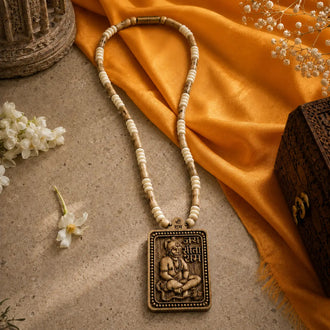
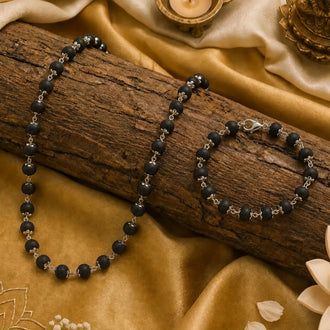
Many devotees wear a Radha Naam Tulsi Mala around their neck as a Kanthi mala, signifying their dedication to Radha-Krishna. This practice is believed to offer spiritual protection and a constant connection to the divine energy of Vrindavan, keeping the wearer aligned with devotional consciousness. The Kanthi mala should be worn with humility and respect, never taken off casually or for mundane reasons. It represents a spiritual shield, protecting the wearer from inauspicious influences and subtle negative energies. It also serves as a visible symbol of one's commitment to a devotional lifestyle, linking the individual to the Vaishnava tradition and identifying them as a servant of the Lord. In Vrindavan, seeing devotees adorned with Tulsi malas is a common and inspiring sight, signifying a shared spiritual path and a deep reverence for Tulsi Devi.
3. Care and Maintenance of Your Mala
To preserve the sanctity and longevity of your mala, treat it with utmost care. Keep it clean and away from impure places, such as bathrooms, non-vegetarian cooking areas, or places associated with intoxicants. Avoid wearing it during mundane activities like bathing, sleeping, or during physical intimacy. If possible, keep your japa mala in a clean cloth bag when not in use, preferably a dedicated japa bag. Over time, Tulsi beads may darken or show signs of wear; this is natural and does not diminish their spiritual potency. The spiritual energy of the mala remains as long as it is treated with reverence and used with a devotional mood. Regularly offering a clean cloth and a few drops of pure Ganga water or rose water can help maintain its purity and energetic vibrancy. If a mala breaks, it is traditionally not discarded carelessly but immersed in a sacred river or buried under a Tulsi plant. A dedicated Original Tulsi Japa Mala 108+1 Beads, 10 mm, Deep Meditation ensures consistent quality for your sadhana.
Adorning a Radha Naam Tulsi Mala brings numerous spiritual advantages to a sincere devotee's life. These benefits stem from Vaishnava philosophy and the personal experiences of countless sadhaks.
- Enhanced Devotional Focus: The physical act of holding the beads and the constant presence of the mala aids in concentrating the mind during japa, helping to chant the holy names more attentively and with greater absorption.
- Connection to Radha-Krishna: The Radha Naam inscription and the sacred Tulsi wood itself establish a tangible link to Radha Rani and Lord Krishna, especially potent for devotees aspiring for service to the divine couple, fostering a sense of proximity to the divine.
- Spiritual Purity & Protection: Tulsi is known for its purifying properties. Wearing the mala is believed to cleanse the aura, protect from negative energies, and promote an environment conducive to spiritual growth and the reception of divine grace.
- Remembrance of Vrindavan: Each bead evokes the sacred atmosphere of Vrindavan, inspiring the devotee to remember the Nitya-lila of Radha and Krishna and deepen their longing for selfless service (seva) in the divine land of Braj.
- Mental Peace & Calmness: Regular chanting with the mala can significantly reduce mental agitation, bringing a sense of peace and tranquility amidst life’s challenges. It helps stabilize the mind, a crucial aspect for sadhaks striving for inner serenity.
- Affirmation of Vaishnava Identity: Wearing the mala publicly or privately declares one's commitment to the Vaishnava sampradaya, encouraging adherence to spiritual principles and practices, and fostering a sense of belonging within the devotional community.
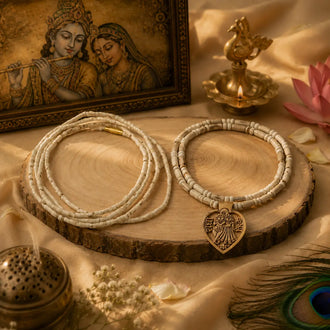
To further embody this devotion, explore our authentic Original Tulsi Kanthi Mala Triple Round, 6 mm, Daily Bhakti, Prayer, directly sourced from Vrindavan.

Is the Radha-naam inscription on Tulsi mala authentic tradition or modern craft?
The direct inscription of "Radha Naam" onto Tulsi beads is largely a more recent devotional innovation, rather than an ancient scriptural tradition. Historically, Tulsi malas themselves have been used for centuries for japa and as Kanthi malas, revered for Tulsi Devi’s intimate connection with Lord Krishna. The power and authenticity of a mala come from the purity of the Tulsi wood and the sincere intention of the devotee chanting upon it. While direct inscriptions like "radha inscribed tulsi mala" might not be found in texts thousands of years old, their emergence reflects the deepening mood of Radha-bhakti in recent centuries, particularly within certain Vaishnava traditions in Vrindavan.
This development is not an deviation but an expression of *bhava* (devotional sentiment). As devotion to Radha Rani intensified, especially within the Gaudiya Vaishnava sampradaya, devotees naturally sought ways to express their singular dedication to Her. Inscriptions on malas serve as a constant visual and tactile reminder of Radha's supreme position in Krishna’s heart and the devotee's own aspiration to serve Her. Therefore, while the physical inscription might be a modern craft, the spiritual sentiment it carries is deeply traditional and authentic, resonating with the very heart of Radha-Krishna devotion. The essence of devotional practice is remembrance, and such malas aid this purpose. To deepen your connection with spiritual insights, you may wish to read other articles on our Dharmik blog.
- Incorrect Mala Handling: Never use your index finger to count beads; it is considered disrespectful as it represents the ego. Only the thumb and middle finger should be used during japa.
- Lack of Cleanliness: Allowing your mala to touch impure surfaces or wearing it during unclean activities diminishes its spiritual efficacy. Always strive to keep it pristine and treat it as a sacred object.
- Casual Treatment: Treating the mala as mere jewelry or a fashion accessory, rather than a sacred object of worship, can hinder its spiritual benefits. Handle it with reverence and understanding of its spiritual significance.
- Neglecting Japa Mantras: Chanting without clear pronunciation, focused attention, or genuine devotion reduces the power of the japa. Each mantra should be distinct, heartfelt, and aimed at connecting with the divine.
- Attachment to Material Results: Focusing solely on worldly benefits from chanting, such as wealth or health, rather than pure devotion and the desire to serve Radha-Krishna, can divert from the true spiritual goal of bhakti.
- Ignoring the Guru Bead: Skipping over the Guru bead or crossing it during japa is a common mistake. It symbolizes the spiritual master and should be respected by turning the mala around for subsequent rounds.
What is a radha inscribed tulsi mala?
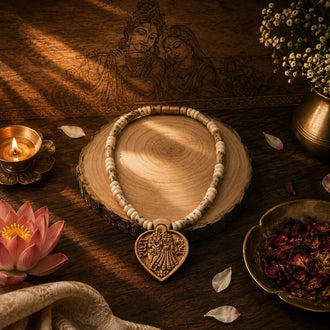
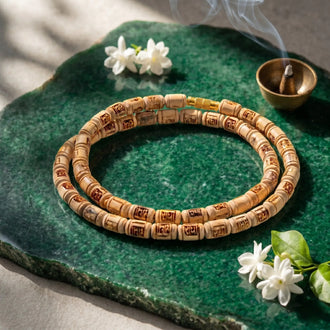
A radha inscribed tulsi mala is a string of sacred Tulsi wood beads, typically 108 plus a Guru bead, with the holy name "Radha" carved onto some or all of the beads. This mala is specifically used by devotees of Radha-Krishna to deepen their connection during japa and spiritual remembrance, enhancing their meditation.
Why do Krishna devotees wear Radha Naam Tulsi Mala?
Krishna devotees wear Radha Naam Tulsi Mala to symbolize their unwavering devotion to Radha Rani and Lord Krishna. The Tulsi wood itself is sacred, and Radha's name enhances the focus on the divine feminine principle, aiding in connecting with the Radha-Krishna yugal during daily sadhana and offering spiritual protection.
Can anyone wear a radha krishna mala?
Yes, anyone can wear a radha krishna mala who feels a genuine devotional pull towards Lord Krishna and Radha Rani. While traditionally worn by Vaishnavas, sincere seekers from any background can wear it to cultivate peace, devotion, and a heartfelt connection to the divine couple.
How often should I clean my Radha Naam Tulsi Mala?
You should clean your Radha Naam Tulsi Mala regularly to maintain its sanctity, ideally once a week or as needed, depending on usage. Gently wipe the beads with a clean, damp cloth, avoiding harsh chemicals. Some devotees also use a drop of pure Ganga water or rose water to purify the mala.
What is the significance of the 108 beads on a japa mala?
The 108 beads on a japa mala hold deep significance in Hinduism, representing various spiritual concepts. The number 108 is considered sacred, symbolizing the 108 Upanishads, the 108 Gopis of Vrindavan, or the 108 names of the Lord, aiding a devotee in completing a full cycle of mantra recitation.
The Radha Naam Tulsi Mala is far more than just a string of beads; it is an invaluable spiritual tool, empowering devotees in their Krishna Bhakti. By embracing its use for japa and as a constant devotional reminder, one can experience deeper spiritual connection and purification of the heart. This sacred mala helps to maintain focus, protect one's spiritual energy, and always keep the divine names of Radha and Krishna on the mind. To further your journey of devotion, explore our authentic Original Tulsi Combo Small Bead Tulsi Kanthi Mala & 108 Tulsi Bead Japa Mala, bringing the essence of Braj-raj directly to your home.
By Ipshita Gawande