Banyan Tree Worship Vat Savitri Significance 2026 Rituals

Exploring the Banyan Tree Worship Vat Savitri Significance
Devotees in Braj and across India begin their fast as the sun rises on the Jyeshtha Amavasya. This ancient tradition honors the resolve of Devi Savitri who reclaimed her husband from the lord of death. Understanding the banyan tree worship vat savitri significance helps a seeker connect with the resilience of nature and the power of devotion. The ritual involves tying a raw cotton thread around the massive trunk of the Ficus benghalensis. This post explains the spiritual logic, the exact puja steps, and the scriptural history of this sacred day.
Quick Takeaways
- The ritual honors the strength of Savitri and her victory over Yama.
- Devotees tie 108 rounds of thread around the trunk for family protection.
- The tree represents the Hindu Trinity of Brahma, Vishnu, and Mahesh.
- Specific fruits like mango and banana are offered during the morning prayers.
| Event | Date | Tithi | Muhurat | Significance |
| Vat Savitri Vrat | 14 June 2026 | Jyeshtha Amavasya | 05:24 AM to 06:12 PM | Longevity of spouse and family peace |
| Vat Purnima | 29 June 2026 | Jyeshtha Purnima | 05:28 AM to 07:05 PM | Observed in Maharashtra and Gujarat |
Why This Matters
The Ficus benghalensis is not just a plant but a living shrine that remains stable for centuries. Its ability to grow aerial roots that become new trunks symbolizes eternal life and the continuation of the family lineage. In the Vedic tradition, the tree is known as Akshaya Vat, meaning the tree that never decays. This stability is why married women seek its blessings for the long life of their partners. According to the Skanda Purana 2.4.18, the Trimurti resides within the structure of this tree. Lord Brahma sits in the roots, Lord Vishnu occupies the bark, and Lord Shiva resides in the branches. By offering water to its base, a devotee honors the entire cosmos. In places like Vrindavan and Kashi, the tree is treated as a witness to the passing of ages. Performing the vat worship ritual under its shade is believed to purify the surroundings and the mind of the practitioner. For more on the narrative behind this day, you can read about Savitri and Satyavan history to understand the depth of this fast.
Decoding the Banyan Tree Worship Vat Savitri Significance

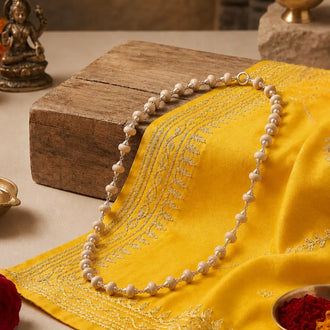
The spiritual importance of the Vat Vriksha stems from its unique biology. It is one of the few trees that releases oxygen even at night, making its presence vital for the ecosystem. Spiritually, the wide canopy represents the protection a mother or wife provides to her household. When Savitri sat under this tree, she used its energy to sustain her penance while Yama waited. The red thread tied during the puja acts as a symbolic bond that holds the family together against the trials of time. Devotees often wear a natural bead for wealth during the ceremony to invite the blessings of Goddess Lakshmi. The act of circling the tree, known as Pradakshina, is a physical prayer that aligns the devotee with the circular nature of time and rebirth. This alignment helps in achieving mental peace and spiritual growth.
Step-by-Step Vat Worship Ritual
- Wake up before sunrise and take a holy bath using Ganga Jal or clean water.
- Wear clean, traditional clothes, preferably in shades of red or yellow.
- Gather puja items including water, raw cotton thread (moli), incense, and oil lamps.
- Walk to a nearby Banyan tree and clean the area around its base.
- Place a picture or idol of Savitri and Satyavan at the foot of the tree.
- Offer water to the roots while chanting the names of the Trimurti.
- Apply kumkum and turmeric to the trunk as a mark of respect.
- Take the raw cotton thread and circle the tree 108 times in a clockwise direction.
- While circling, pray for the health and prosperity of your family members.
- Offer soaked chickpeas, seasonal fruits, and sweets to the tree.
- Listen to the Vrat Katha with a focused mind to complete the morning session.
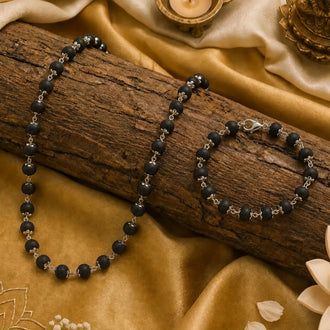
Many practitioners choose to wear a peace and protection mala during these hours to maintain a high state of concentration. The vibration of the sacred beads complements the natural energy of the tree. If you are new to this fast, following a detailed puja guide can help you avoid common procedural errors.
Spiritual Importance of the Vat Vriksha

The sacred tree serves as a bridge between the earthly and the divine. Its deep roots represent our ancestors, while the branches reaching toward the sky represent our aspirations. In Hindu philosophy, the tree is an example of selfless service, providing shade and fruit to all without discrimination. This quality of the tree is what devotees aim to emulate in their own lives. By worshipping the Vat, one acknowledges the presence of the divine in every living form. This practice strengthens the bond between humanity and the environment. In the heat of Jyeshtha, the cool shade of the Banyan provides physical relief, which is seen as a direct blessing from Maa Savitri. The spiritual importance of this connection is highlighted during the Amavasya tithi when the moon is hidden and inner light must be sought.
Regional Variations in India
While the core essence remains the same, the timing of the festival varies. In North Indian states like Uttar Pradesh and Bihar, the fast occurs on the Jyeshtha Amavasya. In contrast, devotees in Maharashtra, Goa, and Karnataka observe it on the Jyeshtha Purnima. These regional differences reflect the diverse calendars used across the subcontinent. Despite the dates, the focus remains on the Banyan tree. Women in Maharashtra often decorate the tree with elaborate rangoli patterns. In some villages, if a Banyan tree is not available, a small branch is planted in a pot for the ritual. However, the energy of a full grown tree is always preferred for its ancient vibrations. In Vrindavan, the local widows and married women gather at the ancient Vats in the Seva Kunj area to perform collective prayers.
Environmental Wisdom of Our Ancestors
Ancient Vedic scholars understood the role of large trees in maintaining the water table and air quality. By attaching religious banyan tree worship vat savitri significance to the Vat, they ensured its protection from deforestation. A single Banyan tree can support an entire micro-ecosystem of birds, insects, and smaller plants. When we perform puja, we are also promising to protect these guardians of the earth. This environmental consciousness is a core part of Dharmik life. Offering water to the tree is a literal act of nurturing the source of our oxygen. The tradition teaches us that our survival is linked to the survival of the green cover around us. This perspective turns a religious ritual into a lesson in ecological sustainability.
Vat Savitri Checklist and Benefits
- Procure fresh raw cotton thread for the 108 rounds.
- Prepare a basket with five types of seasonal fruits like mango and lychee.
- Ensure you have a brass kalash for the water offering.
- Donating black chickpeas to the needy after the fast is highly beneficial.
- Offering clothes or money to a priest brings additional merit to the household.
- The primary benefit is the mental strength gained from the resolve of the fast.
- Regularly performing this puja is said to remove obstacles in family life.
- Participants often feel a sense of calm and renewed purpose.
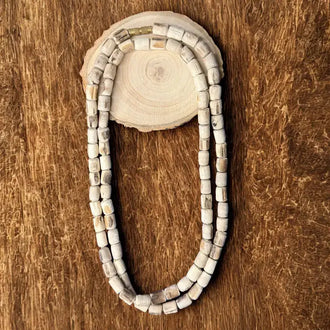
Many find that wearing an original daily prayer mala helps in keeping the count of the Pradakshina rounds. This ensures the mind does not wander during the physical movement around the tree.
Why do we worship the Banyan tree on Vat Savitri Vrat?
The worship of the Banyan tree on this specific day is rooted in its role as a silent witness to the miracle of Savitri. When the god of death, Yama, took the soul of Satyavan, Savitri followed him into the netherworld. Before his death, Satyavan had fallen unconscious under the shade of a Banyan tree. The tree provided a safe haven for his body while Savitri engaged in a logical and spiritual debate with Yama. Because the tree protected the physical form of her husband, it became a symbol of protection and longevity. Furthermore, the tree is considered immortal because its branches grow roots that touch the ground and start new life. This quality of "Amarshakti" or immortal power is what devotees wish to attract for their families. The tree also represents the shelter of the divine during the dark phases of life. Consult a priest to understand the specific tithi timings for your city to ensure the puja is done during the most auspicious hours. This tradition reminds us that even in the face of death, the right path and devotion can lead to a new beginning.
Common Mistakes to Avoid
- Never use synthetic or plastic threads for the rounds; always use pure raw cotton.
- Do not cut or harm the branches of the tree during the puja ceremony.
- Avoid performing the ritual during the Rahu Kaal period of the day.
- Do not consume grains or salt if you are following the strict version of the fast.
- Ensure the water used for the roots is clean and not contaminated.
What is the best time to start the Vat Savitri puja?
The best time to start the Vat Savitri puja is during the Brahma Muhurat or early morning hours. Most devotees prefer to complete the rituals before the sun reaches its peak. Starting early ensures that the mind is fresh and the environment is quiet for meditation.
Can I perform the puja at home with a branch?
You can perform the puja at home with a branch if a full Banyan tree is not accessible nearby. While the energy of a living tree is superior, a small branch placed in a pot serves as a symbolic representation. Ensure the branch is handled with great respect.
What should I do with the thread after the puja?
The thread should be left on the tree after the puja as it represents your prayer. Over time, the thread will naturally merge with the bark or decompose. Do not try to remove it or cut it once the ceremony is finished.
Is it necessary to do 108 rounds around the tree?
It is traditional to do 108 rounds around the tree to signify the completion of a spiritual cycle. If physical health does not allow this, one can do 7 or 11 rounds with full devotion. The number 108 is considered sacred in most Vedic rituals.
What is the significance of soaked black chickpeas in this Vrat?
The significance of soaked black chickpeas in this Vrat relates to their cooling properties and nutritional value. They are offered to the tree and later consumed to break the fast. Chickpeas symbolize the seeds of potential and growth within the devotee's life.
Conclusion
The banyan tree worship vat savitri significance lies in the themes of loyalty, longevity, and the eternal nature of the soul. By honoring the Vat Vriksha, devotees tap into an ancient energy that provides stability and peace. This ritual bridges the gap between scriptural stories and modern environmental needs. Ensure you follow the steps with a pure heart to receive the full blessings of Maa Savitri. To maintain a meditative state throughout the year, consider using a blessed prayer mala for your daily chanting. You may also find our guide on fasting mistakes helpful for your spiritual practice.
By Arjun Sharma