Savitri Satyavan Story Vat Savitri 2026: Legend of Devotion

Savitri Satyavan Story Vat Savitri: A Path to Marital Bliss
King Ashvapati of Madra spent eighteen years offering one hundred thousand oblations to the Sun god before he was blessed with his daughter, Savitri. She grew into a woman of such brilliance that suitors feared her spiritual radiance. The savitri satyavan story vat savitri begins when she chooses a displaced prince living in a hermitage despite a dire prophecy from Sage Narada. You will learn about the virtues of devotion, the specific rituals of the Banyan tree, and how to observe this fast for your family's longevity.
Quick Takeaways
- The vrat honors a wife who challenged the god of death for her husband's life.
- Married women observe this fast on Jyeshtha Amavasya or Purnima to ensure marital harmony.
- The Banyan tree represents the Trimurti and serves as the central point of worship.
- Venerating the sacred thread around the tree symbolizes the eternal bond between spouses.
| Event Name | Date (2026) | Tithi | Muhurat | Significance |
|---|---|---|---|---|
| Vat Savitri Amavasya | May 16, 2026 | Amavasya | 05:23 AM to 07:10 AM | Marking the victory over death in North India. |
| Vat Savitri Purnima | June 29, 2026 | Purnima | 04:45 AM to 06:30 AM | Observed primarily in Maharashtra, Gujarat, and South India. |
Why This Matters

The tale of Savitri and Satyavan is not a simple folk tale but a lesson in the power of willpower and dharma. It establishes the concept of a Pativrata, a woman whose purity and focus can influence the cosmic order. In the tradition of Vrindavan, the Banyan tree is seen as a living witness to these timeless events. Devotees believe that the tree sheltered Satyavan during his final moments, absorbing the energy of Savitri's prayers. This practice reinforces the spiritual lesson that true love and commitment can overcome even the most rigid laws of nature. The scriptural basis for this devotion is found in Skanda Purana 2.4.18. In this text, the merit of worshipping the Vat Vriksha is described as equal to visiting multiple pilgrimage sites. In places like Kashi and Mathura, thousands of women gather to perform parikrama, ensuring the continuity of this ancient ritual. Following the Vat Savitri Vrat guide allows modern seekers to tap into this ancient energy. It reminds us that our actions and prayers have the strength to protect our loved ones from harm.
The Complete Savitri Satyavan Story Vat Savitri for Devotees
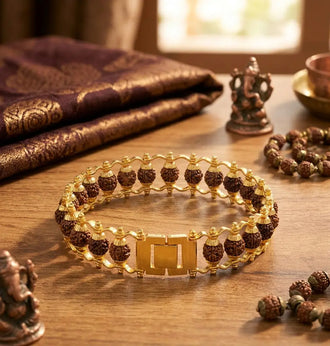
The narrative starts with Princess Savitri choosing Satyavan, the son of the blind, exiled King Dyumatsena. Sage Narada warned her that Satyavan was destined to die within one year of their marriage. Savitri remained firm in her choice, demonstrating that her love was a conscious spiritual decision. She moved from a palace to a simple hut, serving her in-laws with humility. As the predicted day of death approached, she began a rigorous three day fast known as the Triratra Vrata. On the final day, she accompanied Satyavan into the forest to collect wood. While cutting branches from a tree, Satyavan felt a sudden, sharp pain and rested his head on Savitri's lap. Yama, the God of Death, appeared to claim his soul, but Savitri followed him into the afterlife. She engaged Yama in a discussion about dharma and righteousness, impressing him with her wisdom and unwavering focus. Yama offered her three boons, excluding the life of her husband. First, she asked for her father-in-law's eyesight and kingdom. Second, she asked for a hundred sons for her own father. For her third boon, she asked for a hundred sons for herself. Yama granted this, realizing too late that a virtuous wife cannot have sons without her husband. To fulfill his own word, he restored Satyavan to life. For protection during such intense prayers, many wear an Original 7 Mukhi Rudraksha Certified Natural Bead of Goddess Lakshmi to invite prosperity. This act of wit and devotion turned a tragedy into a celebration of life. The couple returned to their kingdom, where all the boons were eventually realized through divine grace. This mythology serves as the foundation for the million women who perform the puja every year.
The Symbolism of the Vat Vriksha

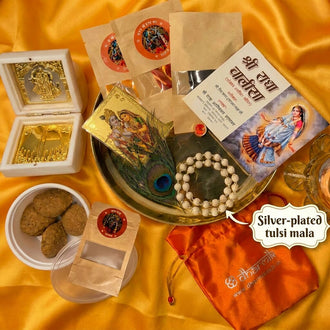
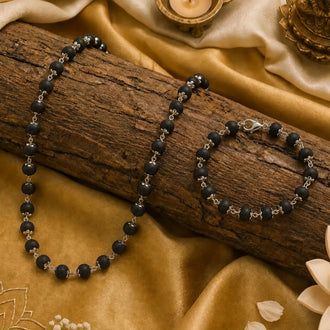
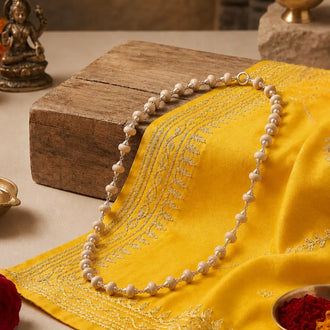
The Banyan tree, or Vat Vriksha, is central to the rituals because it represents longevity and the Hindu Trinity. According to the Agni Purana, Lord Brahma resides in the roots, Lord Vishnu in the bark, and Lord Shiva in the branches. During the puja, women tie a raw cotton thread, known as the Kalava, around the trunk 108 times. This action signifies the weaving of a protective shield around the family. The tree's ability to grow aerial roots that become new trunks mirrors the eternal nature of the soul. Devotees often keep an Original Radha Madhav Tulsi Kanthi Mala nearby to maintain a state of prayer during the parikrama. The broad leaves of the tree are also used to offer soaked chickpeas and seasonal fruits to the deity.
Checklist of Rituals and Benefits
Observing the Vat Savitri Vrat involves specific steps that have been passed down through generations. These rituals are designed to cleanse the mind and strengthen the resolve of the devotee. Following these steps ensures that the spiritual lesson of the story is integrated into daily life.
- Wake up during the Brahma Muhurat, typically between 4:00 AM and 5:30 AM, for a ritual bath.
- Wear new clothes in auspicious colors like red, yellow, or green, avoiding black or white.
- Prepare a puja thali with incense, lamps, water, and the sacred thread for the Banyan tree.
- Offer fourteen types of fruits and grains to the tree as a mark of gratitude.
- Perform 108 rounds of parikrama around the tree while chanting the name of Maa Savitri.
- Donate clothes, grains, and dakshina to a Brahmin or the needy after completing the fast.
- Keep a Pure Silver Hanuman Coin in your puja space for strength and protection against obstacles.
What is the mythological story of Savitri and Satyavan behind Vat Savitri Vrat?
The mythological story of Savitri and Satyavan behind Vat Savitri Vrat is a tale of a woman's victory over the god of death, Yama. Princess Savitri, the daughter of King Ashvapati, chose to marry Satyavan despite knowing he had only one year to live. When the day of his death arrived, Satyavan collapsed under a Banyan tree in the forest. Yama took Satyavan's soul, but Savitri followed him with persistent devotion and wise speech. Impressed by her adherence to dharma, Yama granted her several boons. She cleverly used these boons to regain her father-in-law's kingdom and ensure her own lineage, which forced Yama to return Satyavan's life. This event occurred under the Banyan tree, which is why the tree is worshipped today. Women follow this tradition to seek the same resilience and protection for their husbands. If you are new to such rituals, you might want to avoid Nirjala Ekadashi mistakes which often stem from a lack of proper preparation. Always consult a local priest for specific regional variations in the story or the tithi timings.
Common Mistakes to Avoid
- Devotees often perform the parikrama in a counter-clockwise direction, but it must always be done clockwise.
- Starting the fast on the wrong tithi is common, so always verify if your region follows the Amavasya or Purnima calendar.
- Many forget to offer the soaked chickpeas, which are a vital part of the traditional bhog for Maa Savitri.
- Using a synthetic thread instead of raw cotton for the tree parikrama can diminish the traditional value of the ritual.
How many times should I wrap the thread around the Banyan tree?
How many times you wrap the thread around the Banyan tree is usually fixed at seven or one hundred and eight rounds. Wrapping the thread signifies the long life of the husband and the strength of the marital bond between the couple.
Can I observe the Vat Savitri Vrat at home?
Can I observe the Vat Savitri Vrat at home is a common question for those who cannot find a Banyan tree nearby. You may perform the puja using a small branch of the tree or a picture of the Vat Vriksha.
What should I eat to break the Vat Savitri fast?
What should I eat to break the Vat Savitri fast depends on regional customs, but usually, it involves the prasad of chickpeas and fruits. Many women also consume a simple sattvic meal consisting of rice, dal, and seasonal vegetables.
Is it mandatory to stay awake all night during the fast?
Is it mandatory to stay awake all night during the fast is not a strict requirement, but many choose to do so. Singing bhajans and reading the Savitri katha during the night is a common practice in many households.
Which deity is the primary focus of this Vrat?
Which deity is the primary focus of this Vrat is primarily Maa Savitri, the personification of the goddess who saved her husband. Lord Yama and the Trimurti residing in the Banyan tree are also worshipped during the ceremony.
Conclusion
The legend of Savitri and Satyavan remains a beacon of hope for those seeking to protect their families through spiritual discipline. By understanding the symbols like the Banyan tree and the sacred thread, we connect with a lineage of strength. This practice ensures that the lessons of the past continue to guide our modern lives. Wearing a Original Silver-Plated Tulsi Mala 54 Beads can help maintain the peace required for such Vrats. Following the rituals helps one connect with the strength found in the savitri satyavan story vat savitri. Visit our collection of puja essentials to prepare for your next fast.
By Ananya Sharma