Mahamrityunjaya Mantra 2026: Meaning, Benefits, and Sawan Chanting Guide

Mahamrityunjaya Mantra 2026: Meaning, Benefits, and Sawan Chanting Guide
A devotee seeking protection, solace, or peace often turns to ancient hymns and powerful invocations. The Mahamrityunjaya Mantra stands as one such potent invocation, revered for its ability to protect and heal. Originating in the Rig Veda, this sacred chant invokes Lord Shiva, the destroyer of ignorance and bestower of health. This year, especially during Sawan 2026, its recitation holds special significance. In this guide, you will learn the Mahamrityunjaya Mantra meaning, its immense benefits, and the proper way to chant it for maximum spiritual impact.
Quick Takeaways
- Understand the sacred "Tryambakam" invocation to Lord Shiva for long life and healing.
- Discover how chanting this Shiva mantra brings health, peace, and protection from illness.
- Learn the proper chanting method, including using a mala, particularly during Sawan.
- Explore its historical roots with Rishi Markandeya and its spiritual Sanjeevani power.
| Word | Devanagari | Meaning |
|---|---|---|
| Om | ॐ | The primordial sound, the universal truth |
| Tryambakam | त्र्यम्बकम् | The three-eyed one (Lord Shiva) |
| Yajamahe | यजामहे | We worship, we adore, we honor |
| Sugandhim | सुगन्धिम् | Fragrant, virtuous, eminent |
| Pushtivardhanam | पुष्टिवर्धनम् | The one who nourishes and strengthens life |
| Urvarukamiva | उर्वारुकमिव | Like a cucumber or melon |
| Bandhanan | बन्धनात् | From bondage (of worldly attachments, diseases) |
| Mrityor | मृत्योः | From death |
| Mukshiya | मुक्षीय | May we be liberated, freed |
| Maamritat | माऽमृतात् | Not from immortality (but from fear of death) |
Why This Mantra Matters
The Mahamrityunjaya Mantra carries immense significance for devotees seeking well-being and spiritual liberation. It is often called the "Sanjeevani Mantra" due to its association with healing and restoring life, much like the mythical Amrit. This sacred chant is a heartfelt plea to Lord Shiva, the Trinetra (three-eyed one), for protection from untimely death, diseases, and for the bestowal of longevity and good health. Its origins are firmly established in Vedic traditions. The revered sage Rishi Markandeya is credited with rediscovering this mantra and chanting it to overcome the decree of Yama, the deity of death, thus gaining victory over mortality. This powerful hymn is found in the Rig Veda 7.59.12 and also appears in the Yajur Veda, confirming its ancient lineage and spiritual importance. For centuries, practitioners in holy cities like Kashi (Varanasi), Lord Shiva's abode, have chanted this mantra with unwavering devotion. Thousands of Jaap are performed daily in Kashi for health, protection, and peace for ancestors. During Sawan 2026, the entire month when Lord Shiva's blessings are most potent, its recitation gains even greater efficacy. This special period truly draws devotees toward divine healing and spiritual upliftment. Understanding the essence of this prayer can positively transform one's devotional practice. To further connect with Lord Shiva during this sacred period, consider learning about Sawan Shivratri Puja Vidhi, which complements the mantra's spiritual blessings.

Chanting the Mahamrityunjaya Mantra: A Guide for Devotees
Chanting the Mahamrityunjaya Mantra correctly enhances its potency and spiritual impact. Here is a step-by-step guide for performing the Jaap, especially beneficial during the holy month of Sawan 2026.
1. Preparation and Setting
- Time: The Brahma Muhurta (around 4:00 AM to 5:30 AM) is ideal. Chanting during these early hours, before the world's distractions begin, maximizes focus and spiritual reception. However, any time of day with a calm mind is suitable. Chanting daily throughout Sawan 2026 is highly recommended for concentrated blessings.
- Cleanliness: Take a purifying bath and wear clean, comfortable clothes. This physical purity helps in achieving mental clarity and respect for the sacred practice.
- Direction: Sit facing East or North during your practice. The East direction is associated with rising energy and new beginnings, while the North is linked to spiritual growth and stability.
- Seat: Sit on a clean mat (asana) made of wool or Kusa grass. This insulates your body's energy, preventing its dispersal into the earth and ensuring the benefits of chanting are retained within. Ensure the space is quiet and free from disturbances.
2. Performing Sankalpa (Intention)
- Before starting your chanting, it is vital to perform a "sankalpa" or a clear intention. Hold a small amount of water in your right palm. State your specific purpose for chanting the mantra aloud or mentally. This might be for personal health, protection for a family member, or peace for a departed soul. Dedicating your efforts focuses the spiritual energy. Offer the water to the earth after stating your resolve, symbolizing your commitment to the divine.
3. Using a Rudraksha Mala
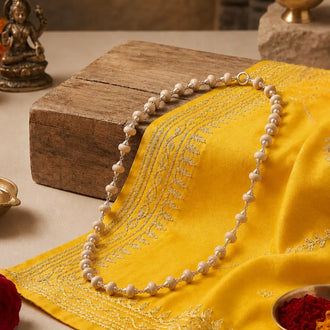
- For proper counting and to enhance focus, use an 5 Mukhi Original Rudraksha Mala 108 Beads + 1 Guru Bead, Blessed in Kashi. A mala typically has 108 beads, plus one 'guru' bead. Complete 108 rounds of the mantra for one cycle of Jaap. Hold the mala in your right hand, using your thumb to move each bead along the middle finger. Avoid using the index finger, which is associated with ego.
- The number 108 is truly significant in Sanatana Dharma. It represents the 108 Upanishads, the 108 sacred sites (shakti peethas), and the 108 energy lines (nadis) that converge at the heart chakra. Each bead turn connects you to this cosmic resonance, amplifying your prayer.
4. Chanting the Mantra
- Chant the Mahamrityunjaya Mantra clearly and with deep devotion. Focus on each word and its meaning as you recite it. The pace should be steady, neither too fast nor too slow, allowing the vibrations to resonate.
- "Om Tryambakam Yajamahe Sugandhim Pushtivardhanam Urvarukamiva Bandhanan Mrityor Mukshiya Maamritat."
- The specific sound vibrations created by this mantra are believed to purify the mind, cleanse the aura, and create a protective energetic field around the chanter. Visualize Lord Shiva's divine light surrounding you as you chant.
5. Dedication and Conclusion
- After completing your desired number of rounds (e.g., 1, 3, 5, or more malas), sit in silence for a few moments. Absorb the generated energy and reflect on your intention.
- Offer a prayer of gratitude to Lord Shiva, dedicating the fruits of your chanting to the divine or for your stated sankalpa. This dedication is a common practice in Vrindavan, Kashi, and other devotional centers, completing the cycle of spiritual giving.
- Devotees often commit to chanting a specific number of rounds daily for 21, 41, or 108 days (a "mandala") to amplify the blessings. Consider acquiring an Authentic Rudraksha Mala with Brass Damru & Trishul Pendant Blessed in Kashi to aid your regular and focused practice.
Benefits of Chanting the Mahamrityunjaya Mantra
The regular chanting of this sacred Shiva mantra offers numerous spiritual, mental, and physical advantages to a devotee.
- Health and Longevity: It is revered as a powerful remedy for chronic illnesses and a prayer for a long, healthy life. Chanting grants the devotee a sense of vital Sanjeevani energy, promoting recovery and well-being.
- Protection from Dangers: Regular chanting builds a protective shield, safeguarding one from accidents, negative influences, and unforeseen misfortunes. It acts as a divine armor in daily life.
- Mental Peace and Calm: The resonant vibrations generated by the mantra soothe the nervous system. This practice reduces stress, anxiety, and fear, leading to a deep sense of inner tranquility.
- Spiritual Growth: Chanting helps purify the mind, alleviates karmic burdens, and promotes spiritual evolution. It nurtures a closer bond with Lord Shiva, guiding the practitioner towards higher consciousness.
- Ancestral Peace: Many devotees chant this mantra to bring peace and liberation to their departed ancestors. It is believed to help resolve any lingering issues and guide ancestral souls toward a higher realm.
- Overcoming Fear of Death: By invoking the cosmic energy of Lord Shiva, the mantra assists devotees in conquering the fear of death. It encourages acceptance and instills courage when facing life's inevitable transitions.
Incorporating an Original 5 Mukhi Rudraksha Mala 108+1 Beads, 4 mm, Daily Meditation, Blessed in Kashi into your practice can further enhance focus and consistency in experiencing these blessings.

Can someone other than the suffering person chant Mahamrityunjaya on their behalf?
Yes, absolutely. The Mahamrityunjaya Mantra can be chanted by a devotee on behalf of another individual. This is particularly done for someone suffering from illness, facing a life crisis, or seeking ancestral peace. This practice is known as performing a "sankalpa" for someone else. When a devotee performs the Jaap with a sincere intention specifically for another's well-being, the spiritual energy and blessings generated are directed towards that person. It is crucial that the chanter maintains purity of thought and strong devotion throughout the recitation. Many families engage priests to perform large-scale Mahamrityunjaya Jaap for loved ones' health or for the peace of departed souls. While personal chanting is powerful, collective or dedicated chanting for others is a recognized practice in Hindu traditions. Always consult a knowledgeable priest for guidance on performing such specialized rituals, ensuring the correct procedure and intention. For elaborate rituals, especially for others, you might also explore the Rudrabhishek Vidhi in Sawan, another powerful prayer to Lord Shiva.
Common Mistakes to Avoid
- Improper Pronunciation: Chanting without correct Sanskrit pronunciation weakens the mantra's vibrational effect. Learning the accurate sounds, perhaps from a trusted teacher or audio, is crucial for full benefit.
- Lack of Focus (Bhav): Merely reciting words without sincere devotion or understanding their meaning lessens the spiritual connection. Maintain single-pointed attention on Lord Shiva and the mantra's purpose.
- Incorrect Mala Usage: Not using a Rudraksha mala, or failing to complete 108 rounds, can disrupt the systematic accumulation of spiritual energy. Each bead counts towards a complete Jaap cycle.
- Impure Environment: Chanting in an unclean or chaotic space easily distracts the mind. This can diminish the clarity and peace of your practice. Always ensure a peaceful, clean setting.
- Inconsistent Practice: Irregular chanting yields limited results. Consistent, disciplined practice, even for a short daily duration, is significantly more beneficial for sustained spiritual growth.
- Ignoring Sankalpa: Forgetting to set a clear intention before chanting can diffuse the prayer's focus. A defined sankalpa ensures your devotion has a clear direction and purpose.
FAQs
What is the Mahamrityunjaya Mantra meaning?
The Mahamrityunjaya Mantra meaning is a heartfelt prayer to Lord Shiva, the three-eyed deity, requesting protection from death, diseases, and the cycle of rebirth. It asks for nourishment and spiritual liberation, akin to a ripe cucumber detaching from its vine.
What are the main Mahamrityunjaya Jaap benefits?
The main Mahamrityunjaya Jaap benefits include enhanced physical and mental health, protection from accidents and misfortunes, and relief from chronic illnesses. It grants longevity, peace of mind, and fosters spiritual growth by aligning one with divine protective energy.
How to chant Mahamrityunjaya Mantra effectively in Sawan?
To chant Mahamrityunjaya Mantra effectively in Sawan, begin with a clean body and mind, facing East or North. Use a Rudraksha mala for 108 rounds, focusing on the mantra's meaning. Perform a sankalpa for your intention and maintain consistent practice throughout the holy month.
Why is the Mahamrityunjaya Mantra also called the Tryambakam mantra?
The Mahamrityunjaya Mantra is also called the Tryambakam mantra because "Tryambakam" is the very first word of the prayer. It refers to Lord Shiva as the "three-eyed one" (Tri-ambakam), symbolizing His omnipresence and knowledge of past, present, and future.
Can women chant the Mahamrityunjaya Mantra?
Yes, women can chant the Mahamrityunjaya Mantra without any restrictions. This sacred mantra is universally beneficial and its recitation depends solely on one's devotion and intention. There are no gender-specific rules prohibiting women from chanting this powerful Shiva mantra.
Conclusion
The Mahamrityunjaya Mantra remains a constant source of hope, protection, and spiritual comfort for countless devotees. Understanding its deep meaning and practicing its recitation, especially during the auspicious month of Sawan 2026, can bring significant peace, good health, and a shield against life's adversities. By regularly chanting this powerful invocation to Lord Shiva, practitioners can develop inner resilience, enhance their well-being, and achieve liberation from worldly anxieties. To support your daily Jaap, consider exploring our collection of authentic Original 5 Mukhi Rudraksha Mala 108+1 Beads, 4 mm, Daily Meditation, Blessed in Kashi, blessed in Kashi to aid your spiritual journey. Continue your devotion by learning more about Rudrabhishek Vidhi in Sawan to further enhance your spiritual practice.
By Vibhu Airan