Garba 2026: Circle Meanings and 5 Essential Dandiya Steps

Garba 2026: Rhythms of the Mother and the Raas Tradition
By Dharmik Content Lead. Last updated: 17 September 2026
Outside the Vadodara United Way grounds, the heavy scent of marigolds mixes with the cool October breeze. Preparing for garba 2026 involves more than just finding the right chaniya choli or matching jewelry. It is an act of moving prayer where every clap and every turn honors the feminine energy of the universe. This guide will help you understand the history of the dance and the specific ways to perform it with devotion.
Quick Takeaways
- Dances always move in a clockwise circle to mirror the cycle of time and life.
- The term garba comes from the Sanskrit word for womb, symbolizing the creative force.
- Participants should avoid wearing footwear inside the dance circle to maintain the sanctity of the space.
- Dandiya raas specifically commemorates the battle between Maa Durga and the demon Mahishasura.
| Feature | Garba Details | Dandiya Raas Details |
|---|---|---|
| Primary Date | 11 October 2026 | Starts 11 October 2026 |
| Tithi Window | Ashwina Shukla Pratipada to Navami | Ashwina Shukla Pratipada to Navami |
| Main Instrument | Hand claps (Taali) | Wooden sticks (Dandiya) |
| Core Symbol | The Garbo (perforated lamp) | The sword of Maa Durga |
| Muhurat Focus | Ghatasthapana in Pratipada Tithi | Evening hours after Aarti |
Why This Matters
The practice of dancing in a circle is a physical representation of the Hindu view of time. In our tradition, time is not a straight line but a repeating cycle of birth, life, death, and rebirth. By moving around a central point, we acknowledge that while the world changes, the Divine remains still and constant. This central point is often the Garbo, a clay pot with a lamp inside. The lamp represents the soul or the child in the womb, protected by the shell of the body. We find the theological basis for this worship in the Devi Mahatmya / Durga Saptashati (Markandeya Purana), which describes the infinite power of the Mother. This text explains how she emerges to restore balance when the world is in chaos. In Gujarat and now across the globe, the dance serves as a communal meditation. As we move together, individual identities fade, and only the rhythm of the Mother remains. You can see how this devotion shows in our daily choices, such as choosing navratri day-wise colours to align with her specific forms each night. This connection to the source is what makes the nine nights so spiritually heavy and light at the same time.
The Main Guide
The Evolution of the Garbo Lamp
The heart of every circle is the Garbo pot. This is a handmade earthen vessel with holes punched into its sides. A small ghee lamp stays lit inside throughout the nine nights. The holes allow the light to shine out in every direction, symbolizing how the grace of Maa Durga reaches every corner of the world. Devotees place the pot on a wooden pedestal or a decorated stool. Before the dance begins, the community performs an aarti for the lamp. If you are dancing at home, ensure the lamp faces East to invite positive energy into the room. Some families keep the lamp lit for the full duration of Navratri, a practice known as Akhand Jyot.
The Traditional Three-Clap Step
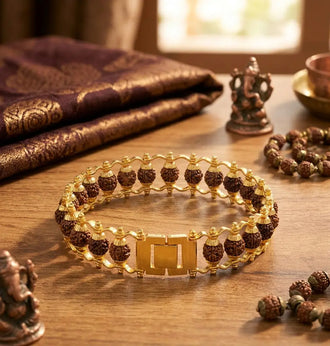
To master the navratri garba steps, one must understand the three-clap or tran tali rhythm. This is the most common form of the dance. Start by standing in the circle, facing the center. On the first beat, step forward with your right foot and clap your hands low. On the second beat, step back and clap at chest level. On the third beat, clap high above your head while turning your body slightly to the right. This vertical movement represents the three worlds: the lower world, the earth, and the heavens. It is a full-body salutation. Many devotees wear an authentic 7 chakra bracelet during the day to stay grounded before the high-energy evening sessions begin.
Dandiya Raas Meaning and Movement
While Garba is performed with claps, the dandiya raas meaning is tied to the concept of a mock battle. The sticks we hold represent the sword of Maa Durga. Unlike the circular Garba, Dandiya is often performed in two long lines facing each other. Partners strike their sticks together in a complex pattern of four or eight beats. This dance originated as a way for Gopis to dance with Krishna in Vrindavan, but during Navratri, it takes on the energy of the Goddess. The sound of the wooden sticks hitting each other is meant to echo the sound of weapons clashing during the war against Mahishasura. It requires focus and coordination with your partner to maintain the flow.
Preparation for Garba 2026
Success in the pandal requires physical and spiritual readiness. The dances can last for four to five hours each night. It is traditional to fast during the day or eat a Sattvic diet. This keeps the body light and the mind focused on the deity. For those attending large gatherings in cities like Ahmedabad or Mumbai, arriving early for the evening aarti is essential. The aarti sets the vibration for the dance. Without the prayer, the dance is merely exercise. With the prayer, it becomes a pilgrimage. Always carry a small bottle of water, but avoid drinking while inside the sacred circle.
Regional Variations in the Circle
While the Gujarati style is most famous, other regions have their versions. In Rajasthan, the Ghoomar involves graceful swirls and veiled faces. In some parts of South India, devotees arrange steps of idols called Golu and dance slowly around them. However, the core remains the same: the circle. Even the speed of the dance has meaning. It starts slowly, known as the Vilambit laya, allowing everyone to find the beat. As the night progresses, the tempo increases to the Drut laya. This acceleration represents the rising of the Kundalini energy within the practitioner.
Garba Origin Significance
The garba origin significance is rooted in the agrarian roots of India. Ancient farmers danced to celebrate the harvest and thank the Mother for the fertility of the soil. The clay pot represents the earth itself. By decorating the pot with kumkum and turmeric, we honor the elements that sustain us. In modern times, this has transitioned into a celebration of womanhood and the protective power of the Goddess. It is a time when the entire community, regardless of social standing, joins hands to form a single, unbroken chain of life.

Benefits of Participation
- Moving in a rhythmic circle helps quiet the mind and reduces the mental noise of daily life.
- Participating in the group dance fosters a sense of community and shared devotional purpose.
- The physical exertion of the dance serves as a form of active meditation and prayer.
- Learning the complex stick patterns in Dandiya improves mental focus and hand-eye coordination.
- Traditional dancing connects younger generations to the stories of the Puranas through movement.
What is the actual difference between garba and dandiya raas?
Many people use these terms interchangeably, but they are distinct in origin and execution. The primary garba dandiya difference lies in the tools and the focus of the worship. Garba is a devotional dance performed before the aarti, usually using only hand claps and graceful finger snaps called chutki. It is performed in a circle around a lamp or an image of Maa Durga. Its movements are fluid and circular. In contrast, Dandiya Raas is more energetic and involves the use of polished wooden sticks. While Garba is dedicated to the Mother Goddess, Dandiya Raas has strong links to the Raas Leela of Bhagavan Krishna in Vrindavan. In Dandiya, you interact with a partner, switching places frequently, whereas, in Garba, you focus more on the central lamp. Most pandals will start the night with Garba to build the spiritual atmosphere and transition into the faster Dandiya sets later. Understanding this helps a devotee participate with the correct bhav or internal feeling for each style. To learn more about the specific timing for these rituals, you can check our post on navratri date ghatasthapana muhurat for the upcoming year.

Common Mistakes
- Wearing leather belts or shoes inside the dance area, which violates the sanctity of the ritual space.
- Clapping out of sync with the main dhol player, which disrupts the energy of the entire circle.
- Starting the dance before the evening aarti is completed, showing a lack of respect for the deity.
- Using plastic or flimsy sticks for Dandiya instead of traditional seasoned wood.
- Performing the steps in a counter-clockwise direction, which goes against the natural flow of the universe.
FAQ
When does garba 2026 officially begin?
The garba celebrations begin on 11 October with the ritual of Ghatasthapana. This marks the first night of the nine-night festival. Most communities hold the first dance sessions immediately following the evening aarti on this Sunday evening.
What should I wear for traditional garba?
Traditional attire for women is the Chaniya Choli, a three-piece set including a skirt and blouse. Men typically wear a Kediyu and Dhoti. These garments are designed to allow for the wide leg movements and spins required by the dance.
Can I play garba while fasting?
You can play garba while fasting, provided you maintain your energy levels with fruits or milk. Many devotees find that the spiritual energy of the dance helps them forget their hunger. Consult a doctor if you have blood sugar issues.
Is it mandatory to use sticks in every dance?
It is not mandatory to use sticks in every dance. Garba is traditionally performed with hand claps only. Sticks are specific to the Dandiya Raas portion of the night. You should follow the lead of the music and the circle.
Where did the three clap step come from?
The three clap step comes from the desire to honor the three aspects of the Divine. Each clap marks a different level of consciousness. It has been the standard movement in Gujarat for several centuries to keep the rhythm steady.
Final Thoughts
Participating in the dance is a way to align your physical body with the spiritual pulse of the universe. Whether you are performing the elaborate three-clap step or striking sticks in a raas, remember that the center of the circle is Maa Durga. Every bead of sweat and every rhythmic step is an offering. As you prepare for garba, focus on the joy of the community and the grace of the Mother. Let the music lead you to a place of peace. For more guidance on festival preparations, read about the navratri day-wise colours to choose your attire correctly.